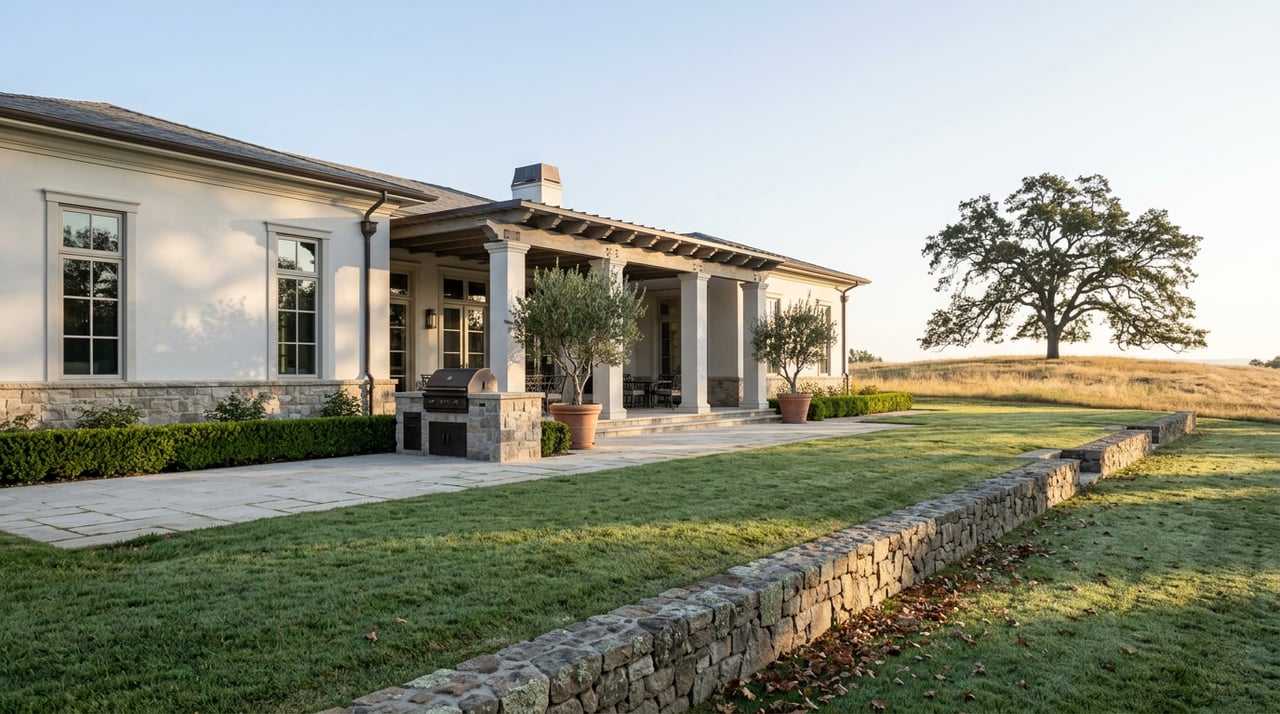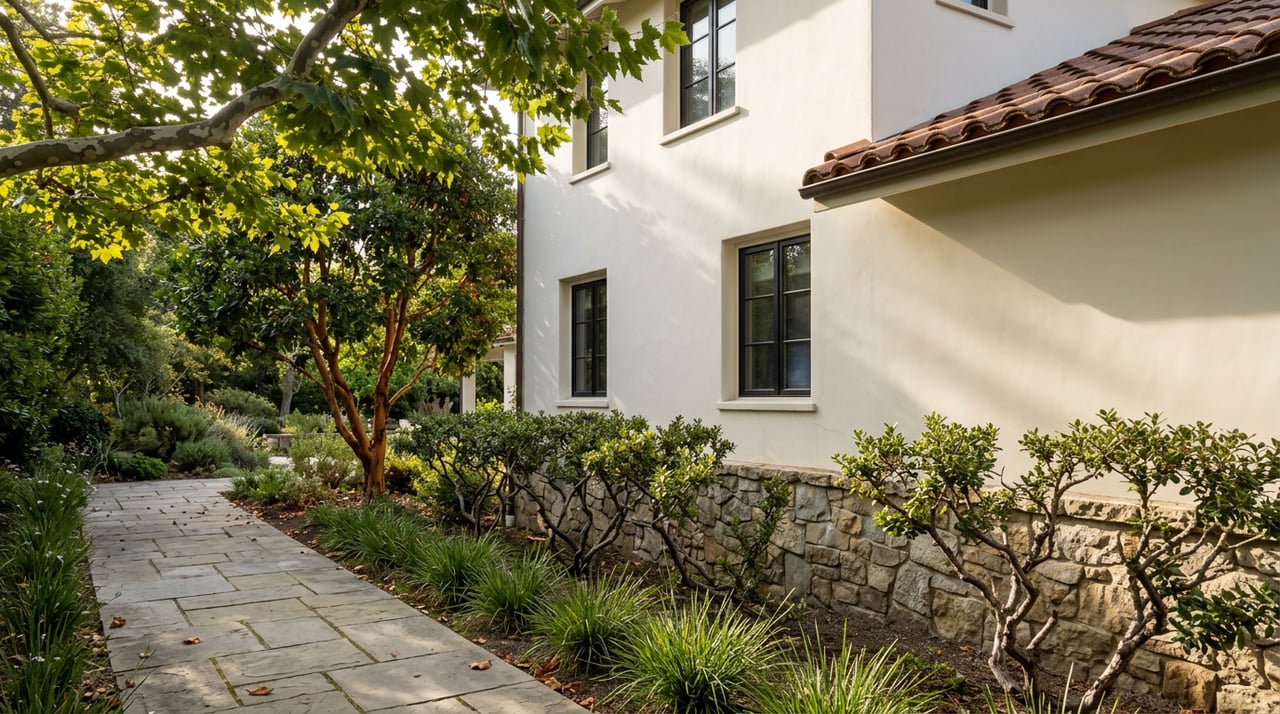
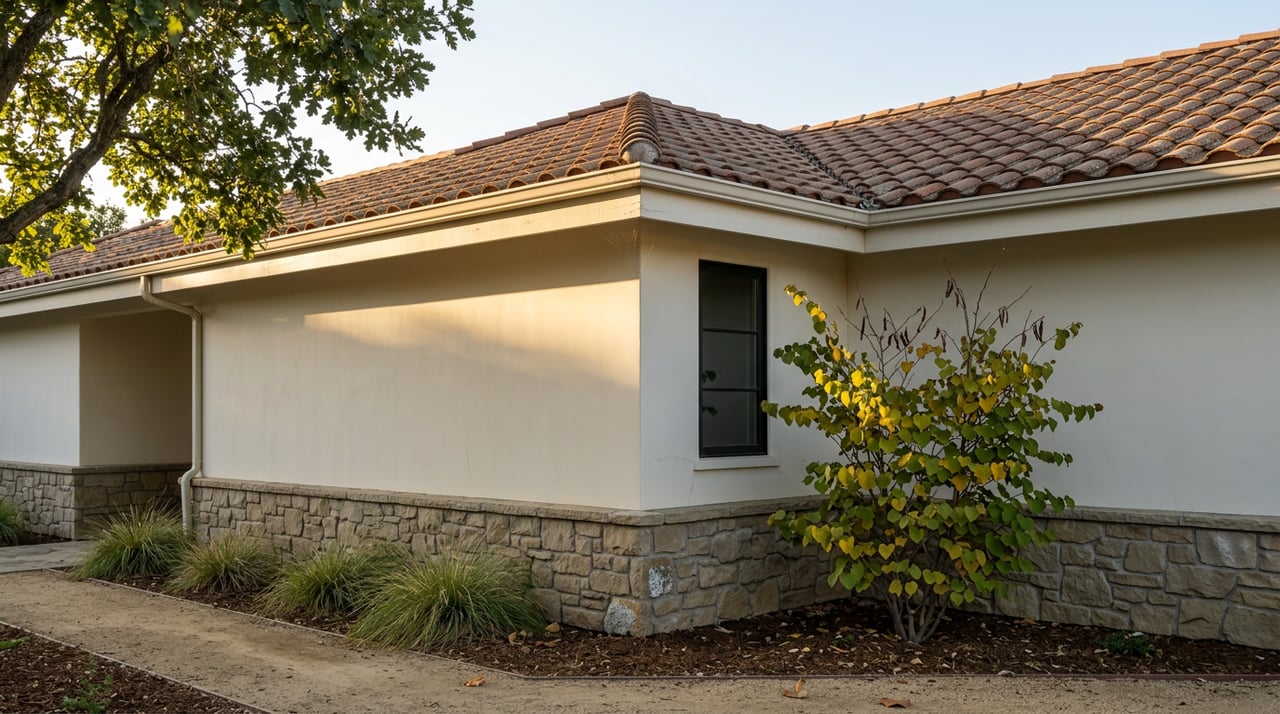
"If there's ever a fire out here in Mount Diablo, houses are going to go up like a tinderbox." Bryan Terrace resident Jay Fischer said that in the summer of 2008, aimed squarely at his own neighbors on the Bryan Ranch homeowners association board. He'd just watched HOA board president Monique Martin tear down a flier he and other residents had posted, campaigning for a vote on whether they could finally swap their aging cedar shake roofs for tri-laminate asphalt. The HOA said no. The board's position was that the roofs were part of what made the neighborhood look the way it was supposed to look, and asphalt simply didn't match.
Eighteen years later, the argument is over. Not because anyone in Bryan Ranch or White Gate finally won a vote, but because the state and the insurance industry settled it without asking the HOA. Current California building code prohibits cedar shake and wood shingle roofing outright in Very High Fire Hazard Severity Zones, with no exception for fire-retardant treatment, and insurers have independently reached the same conclusion on their own underwriting sheets. For anyone selling a home in these two neighborhoods now, or buying one, the roof stopped being a design question. It's a financing and insurability question, and it will surface at escrow whether or not the HOA's design guidelines ever change (learn more in our guide on getting California home insurance).
The Fight That Defined Bryan Ranch for a Generation
Bryan Ranch and White Gate sit at the end of Stone Valley Road in Alamo, built out in phases by Harold Smith Builders from 1982 to 1993. Most of the original roofs across both communities went up in cedar wood shake, the material that gave these ranch-style homes their look against the Mount Diablo backdrop.
By 2008, those roofs were reaching the end of their working life, and homeowners wanted something cheaper and more durable. The HOA's architectural committee held the line. "The asphalt shingles are aesthetically inappropriate," Dave Blomquist told the Danville San Ramon at the time. "They clearly have a different texture, different pattern, different appearance."
Residents pushed back hard enough to force a vote, gathering 145 signed petitions, but changing the rule required a 75 percent supermajority, a bar the board doubted anyone could clear. The fire-safety argument residents made turned out to be more complicated than either side realized. At the time, the state's Fire Hazard Severity Zone map required Class A roofing only in State Responsibility Areas, and most of Bryan Ranch fell under Local Responsibility Area rules, which still allowed Class C. The HOA wasn't wrong that, on paper, the shake roofs cleared the bar that applied to them that year.
That bar has since moved, and it isn't moving back.
Then and Now
Category | 2008 | 2026 |
|---|---|---|
Roof standard | Class C accepted under Local Responsibility Area rules | Class A required statewide in Very High Fire Hazard Severity Zones; cedar shake banned regardless of treatment |
Who decided | HOA architectural committee, 75% vote threshold | State building code and individual carrier underwriting |
What was at stake | Neighborhood appearance | Whether a lender will accept the buyer's insurance policy |
Cost driver | Material and labor | Material, labor, and insurance eligibility |
Why the Loophole Closed
A few things moved in the years since that vote failed, and none of them required Bryan Ranch or White Gate to do anything:
- State fire code changes: The state's current wildland urban interface fire code bans cedar shake and wood shingle roofing outright in mapped WUI zones and Very High Fire Hazard Severity Zones, with no exception for fire-retardant treatment.
- FAIR Plan expansion: California's FAIR Plan, the insurer of last resort, holds roughly 700,000 active policies. A significant percentage of residential structures in high-risk ZIP codes carry a FAIR Plan policy.
- Carrier requirements: A documented Class A roof is often the deciding factor in whether a homeowner can leave the FAIR Plan and return to a private carrier.
- Age surcharges: Roof age alone draws a separate surcharge once a roof passes 20 years old, apart from any penalty tied to material. Every original roof left in Bryan Ranch and White Gate is now more than three decades old.
This isn't only a foothill or wine-country problem. A roofing and insurance-claims guide serving the wider region lists Danville and Pleasanton among the East Bay communities where older, untreated wood shake still draws the hardest line from underwriters. Bryan Ranch and White Gate sit inside that same fire-exposed corridor, a few minutes down the same hillside.
What This Costs Right Now
The FAIR Plan runs a statewide average premium of roughly $3,000 to $3,200 a year, but high-wildfire-zone homes commonly pay $5,000 to $12,000. The California Department of Insurance approved a 29.1% average rate increase for FAIR Plan policyholders, with homes carrying significant wildfire exposure landing at or above that average.
There's a real offset available. FAIR Plan dwelling-fire policyholders can qualify for a hardening discount of up to 16.4% off the wildfire portion of their premium, and a documented Class A roof is one of the anchor measures carriers look for. A full Wildfire Prepared Home designation typically costs a 1970s-to-1990s home with a legacy roof somewhere between $8,000 and $25,000, mostly driven by the roof replacement itself, and the insurance savings often pay that back within five to ten years. Income-qualified homeowners in high-risk zones can also apply for grants under the state's Safe Homes program. California replacement-cost homeowners policies must also include building-code upgrade coverage of at least 10% of the dwelling limit, which helps cover a mandatory Class A upgrade if the roof is ever damaged in a covered loss.
None of that changes the starting math. A cedar shake roof in Bryan Ranch or White Gate is no longer a maintenance item you can defer past the next owner. It's a line item the next owner's lender and insurer will both ask about before closing.
Before You List
- Check permit records: Pull the roof's install date from permit records or the original builder disclosure before setting a price. Buyers and their lenders will find this number regardless.
- Consult your insurer: Ask your insurance agent, in writing, whether your current policy will transfer to a buyer or whether the account is already on a non-renewal track.
- Gather quotes: Get a written quote for a Class A replacement now, even if you don't plan to do the work before selling, so it's ready to hand to a buyer's lender.
- Verify HOA guidelines: Confirm with the architectural committee which Class A materials are currently pre-approved. The design-review process still governs color and profile, even though the underlying material ban is no longer optional.
Before You Write an Offer
If the home you're considering still has its original shake roof, ask the seller directly whether the home's insurability has been confirmed with a private carrier or whether it's currently sitting on the FAIR Plan. Ask for the roof's actual age rather than a general condition description, since age alone triggers pricing separate from material. Consider asking for a credit toward a Class A replacement rather than negotiating on price alone (read our guide on the home inspection process for Alamo buyers). The state's grant program is need-based and tied to the current owner, not the property, so it won't transfer with the sale.
Frequently Asked Questions
Does the Bryan Ranch or White Gate HOA still require the cedar shake look?
The architectural committee still governs color, texture, and profile within approved materials, but no HOA design guideline can require a material the state has banned outright. Cedar shake is off the table regardless of what any committee vote decides.
Will installing a Class A roof automatically get a home off the FAIR Plan?
Not automatically, but it removes the single most common reason private carriers decline wildfire-zone homes, and it qualifies for the current hardening discount in the meantime.
What if the existing roof already has a fire-retardant treatment?
Treatment can raise a shake roof's fire rating, but it doesn't exempt the base material from the current ban in Very High Fire Hazard Severity Zones, and carriers still tend to price a treated shake roof closer to an untreated one than to a true Class A material.
Roofs like these rarely show up in a listing photo, but they show up in every underwriting file a buyer's lender pulls. If you're weighing a sale in Bryan Ranch or White Gate, exploring Alamo CA homes for sale or luxury homes in Alamo, and want a straight read on how your roof's age and material affect what the home can actually close for—or curious what your Alamo home is worth in today's market—East Bay real estate specialist Jill Fusari can walk through it with you directly. Contact Jill Fusari today to request a confidential home valuation before setting a listing price.