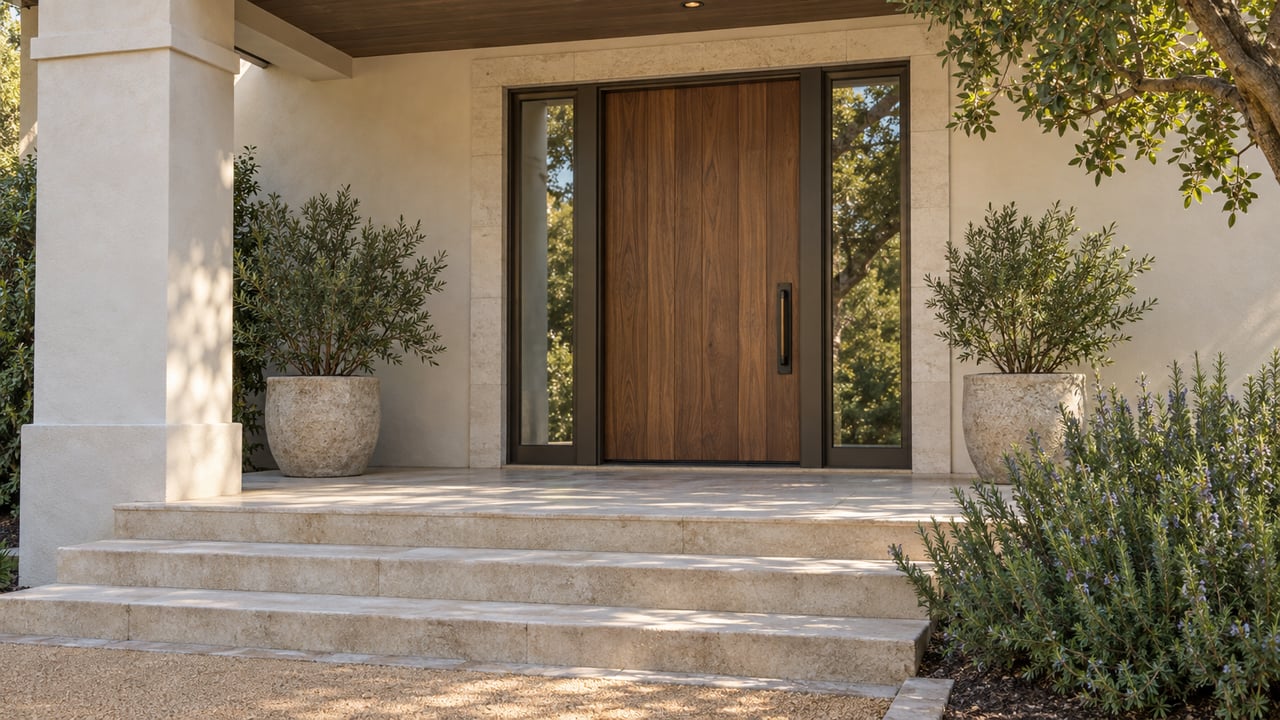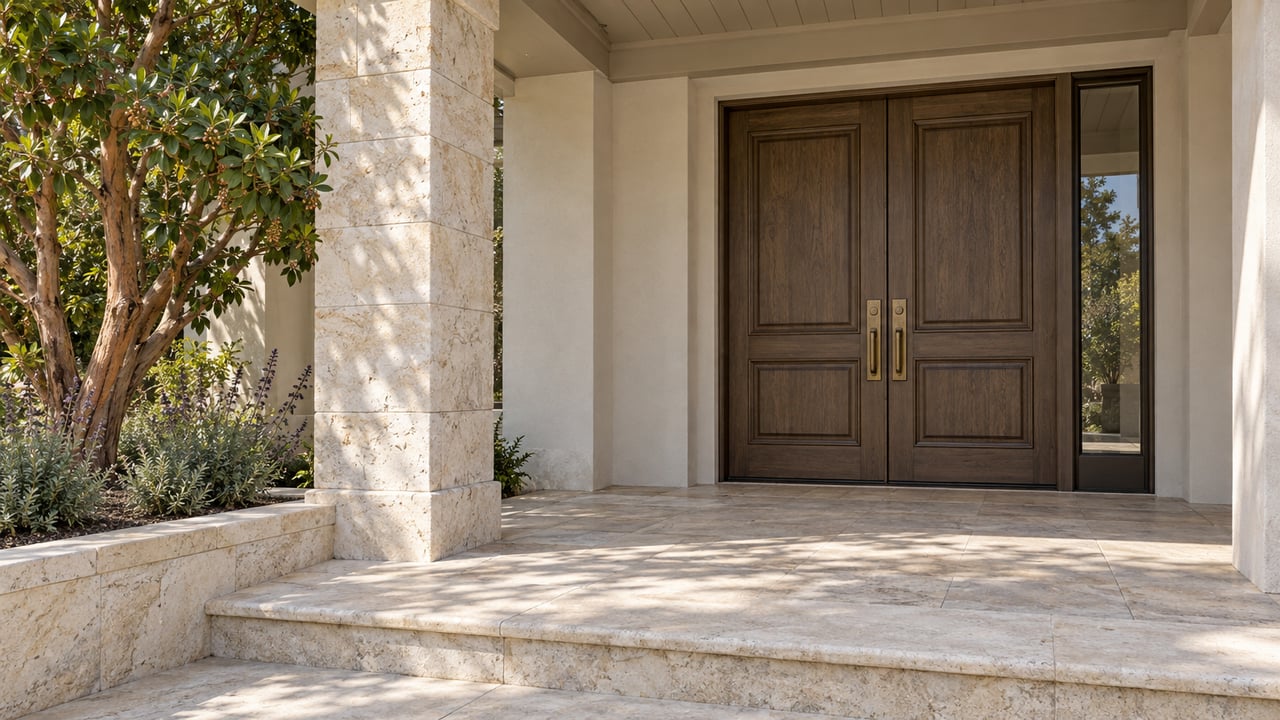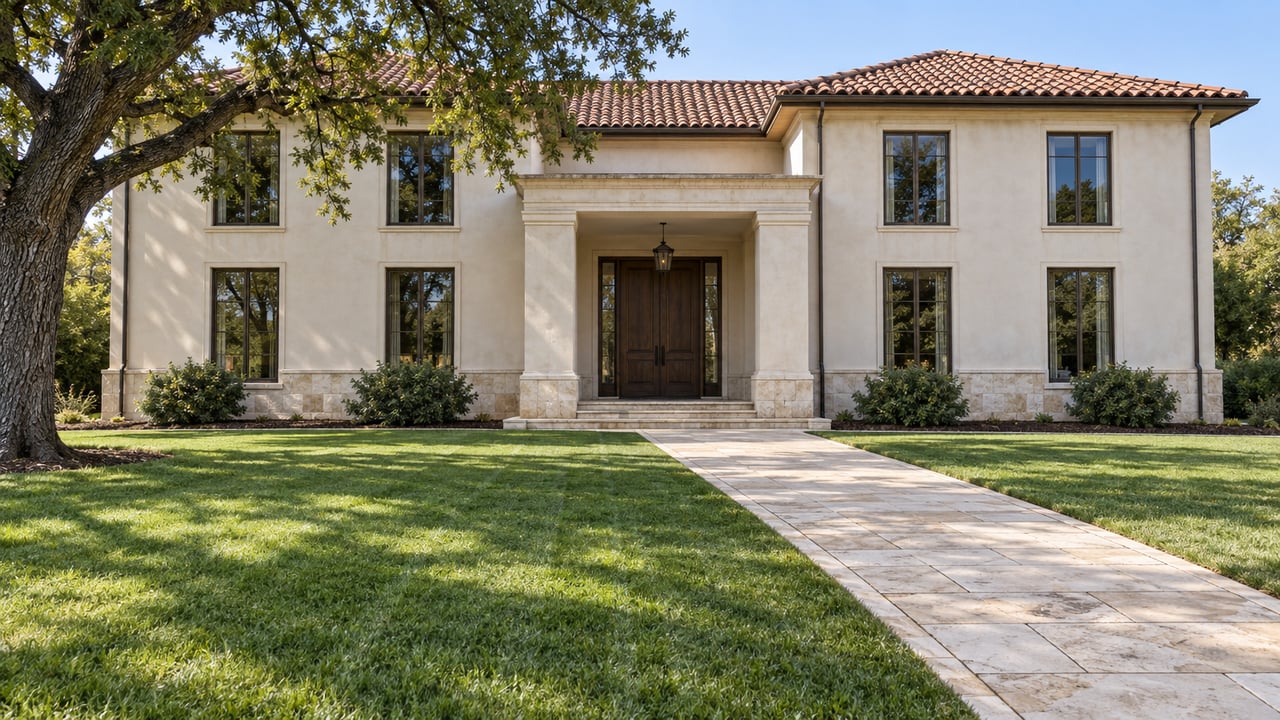
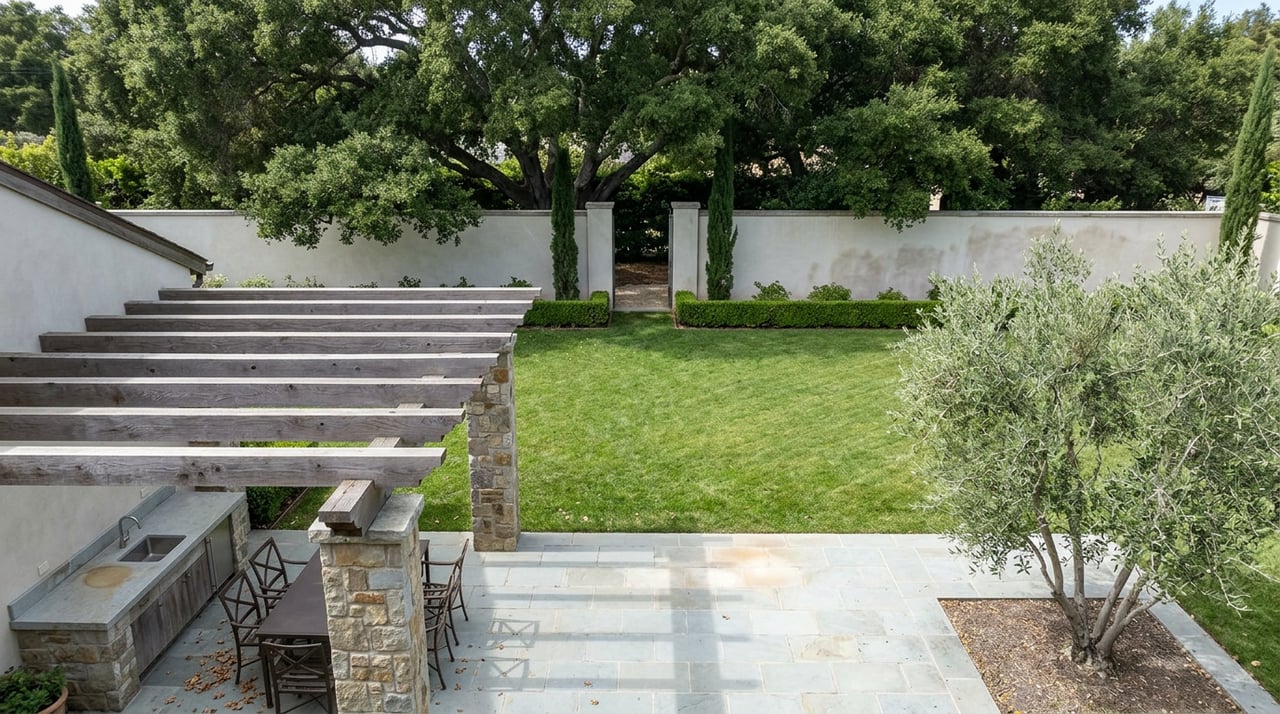
A new-construction estate on Xavier Court, in one of West Side Alamo's newer cul-de-sac developments, recently came to market with 7,269 square feet of main house on a flat .57-acre lot, a three-car garage, and a 563-square-foot attached accessory dwelling unit built in as part of the original design. The home sits minutes from the Iron Horse Trail, inside the San Ramon Valley Unified boundary, in a pocket of six custom builds that all went up together. For a buyer walking through it, the ADU reads as one more finished room. For a builder, it reads as a line item that got planned and priced before the foundation went in.
That gap between how an ADU looks on a finished new build and what it costs to add to an existing property is the question most West Side Alamo owners are actually asking when they call a contractor about a guest house, an in-law suite, or a small rental unit on their lot. The county just made the paperwork side of that question easier. It did nothing to change the part that decides the final number.
What Changed in May 2025
Contra Costa County rewrote its ADU ordinance in May 2025, formally codified as Ordinance 2025-07 under Chapter 82-24 of the county code. Two changes in that rewrite matter specifically for West Side Alamo. First, the county dropped its old requirement that a detached ADU architecturally match the main house, a rule that used to add design review time and cost to any project on an older estate lot. Second, the size allowance for detached units expanded to 1,200 square feet on any lot of 12,000 square feet or larger, with an attached garage of 600 to 800 square feet exempted from that cap entirely.
That 12,000-square-foot threshold is the detail worth sitting with. Alamo's standard R-20 residential zoning sets a 20,000-square-foot minimum lot size, which means essentially every conventionally zoned parcel in neighborhoods like Alamo Ridge, Jones Ranch, Iron Horse Estates, and Stone Castle Estates already clears the bar by a wide margin. Owners in these communities aren't fighting a size restriction anymore. The rulebook that used to govern what an ADU could look like on a West Side Alamo lot has largely stepped aside.
Since Alamo has no city hall, all of this runs through the county's Department of Conservation and Development at its permit center in Martinez, with review handled as a ministerial process rather than a discretionary one. Meet the objective standards and the county approves. The Alamo Municipal Advisory Council can weigh in on county policy, but it has no authority over an individual permit.
The Question the New Rules Don't Touch
None of that changes what happens underground.
West Side Alamo's defining subdivisions went up between the late 1980s and early 2000s on large, wooded parcels, and whether a given lot connects to Central Contra Costa Sanitary District's sewer main or still runs on a private septic system depends on when it was subdivided and what infrastructure passed by at the time, not on which neighborhood name appears in the listing. On a sewered lot, adding an ADU is close to what most people picture: a straightforward capacity fee and a lateral connection. On a septic lot, the county requires the health officer to sign off on the existing system's capacity before an ADU can be established at all, and that sign-off is a per-site engineering determination, not a box to check. If the existing leach field can't absorb the added load, the choices narrow to an expensive engineered septic upgrade or abandoning the system and connecting to public sewer.
That second path has real cost. Central San's Septic to Sewer program will finance up to $65,000 in construction costs, permitting, and capacity fees for owners converting from septic to public sewer, repaid over 15 years on the property tax bill. A $65,000 financing ceiling only exists because that is roughly what the conversion can run when a sewer main isn't already sitting at the property line.
This is the fork that actually separates a modest ADU project from a six-figure one on a West Side Alamo lot, and it has nothing to do with square footage, garage exemptions, or design review. It's a question a soil test answers, not a zoning map.
The Fee Stack, Where It's Sewered
For lots already on the sewer system, the county and utility fees are specific enough to plan around rather than estimate.
| Fee | Amount | Applies to |
|---|---|---|
| Central San ADU capacity fee | $3.63 per sq ft, capped at 1,200 sq ft | New ADU on a sewered lot |
| San Ramon Valley Unified school fee | $5.17 per sq ft | ADUs over 500 sq ft |
| EBMUD new water meter charge | Roughly $19,500 | Only if the ADU requires its own meter, avoidable if served through the main house meter |
| Septic-to-sewer financing cap | Up to $65,000 | Only for lots converting from septic to Central San sewer |
Run the math on an 800-square-foot detached unit on a sewered West Side Alamo lot served through the existing water meter, and the capacity and school fees alone land under $8,000. That is the version of this project that fits the easy narrative the 2025 ordinance rewrite seems to promise. It's also only the version available to owners whose lots already sit on public sewer.
One Alamo-based ADU builder quotes typical local construction in the $200,000 to $400,000 range, attributing the spread to the premium finish level and lot logistics buyers in this market expect, separate from any of the fees above. That range is the build itself. The fee stack in the table, and whichever side of the septic question a given lot falls on, is what gets layered on top before the first stud goes up.
What This Means at the Point of Sale
For sellers, the practical takeaway is that an ADU's value to a buyer depends on whether the infrastructure question is already answered. A completed, permitted ADU on a sewered lot is close to a clean value-add: it shows up in square footage, in flexibility for multigenerational buyers, and in the kind of finished-product marketing the Xavier Court listing uses. An unbuilt "ADU potential" pitch on a lot that hasn't had its septic capacity evaluated is a much softer claim, and a buyer's inspection period is where that softness gets tested.
For buyers evaluating raw land or a teardown in Alamo with ADU plans in mind, the sequence matters more than the concept. Zoning tells you what's allowed. The septic report, or confirmation of an adjacent sewer main, tells you what it costs to get there. Every buyer considering land in Alamo should treat that infrastructure question, not the county's size allowance, as the first thing to verify before committing to a plan for a second structure.
A Few Questions Worth Answering Directly
Does the county automatically require a septic upgrade before I can add an ADU? Not automatically, but the county health officer does have to approve the existing system's capacity before an ADU can be established on a septic lot. That's a site-specific engineering evaluation, and the answer varies from parcel to parcel even within the same subdivision.
Can I use my existing garage as the starting point for an ADU? Yes, and the 2025 ordinance made this more useful than it used to be. A detached ADU can carry an attached garage of 600 to 800 square feet that doesn't count against the 1,200-square-foot size cap, which effectively gives an owner more usable space than the raw number suggests.
Who actually approves my permit, the county or the neighborhood advisory group? Contra Costa County's Department of Conservation and Development in Martinez handles the ministerial approval. The Alamo Municipal Advisory Council can advise on county policy, but it has no authority over an individual ADU permit.
An ADU can be one of the more straightforward ways to add real value to a West Side Alamo property, but only once the septic-or-sewer question has an answer. Jill Fusari works with sellers and buyers across Alamo, Danville, and the broader East Bay to sort exactly that kind of detail before it becomes a surprise in escrow. If you're weighing what a guest house or in-law unit would actually add to your home's value, or want a clearer read on a lot's build potential before you buy, request a confidential home valuation and we'll start with the questions that actually decide the number.