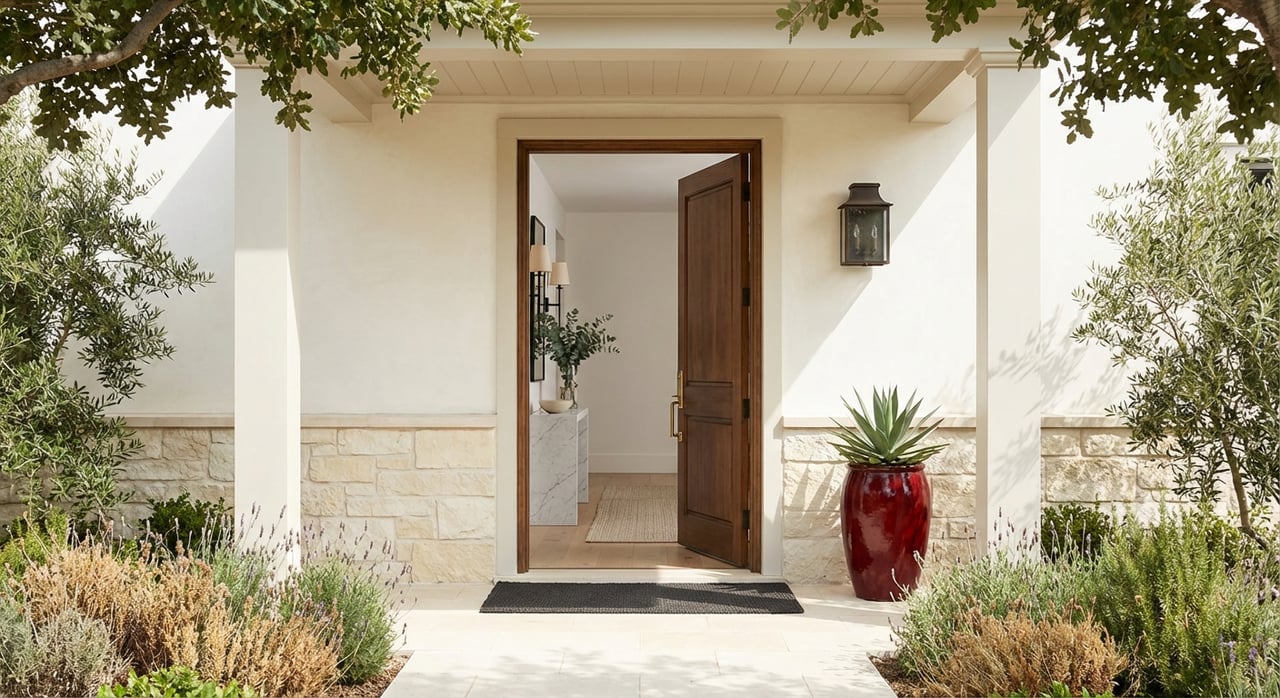
Thinking about selling your Alamo estate in the next 6 to 18 months? In today’s East Bay luxury market, premium buyers expect turnkey presentation, documented quality, and a polished launch. You want top-dollar with minimal friction, and you deserve a clear plan to get there. This guide walks you through what to do first, which upgrades pay, how to present your home, and how to launch for maximum impact. Let’s dive in.
Why a premium plan wins in Alamo
Alamo sits in a high-value pocket of the East Bay where well-presented homes move quickly and command strong prices. The current buyer pool skews toward repeat, equity-rich purchasers who stay longer and prefer move-in readiness. According to the latest national profile, there is a larger share of older buyers with more cash and higher down payments who prioritize ease and certainty in a purchase. You benefit when your home feels turnkey, documented, and lifestyle-ready. NAR’s 2025 profile tracks these shifts.
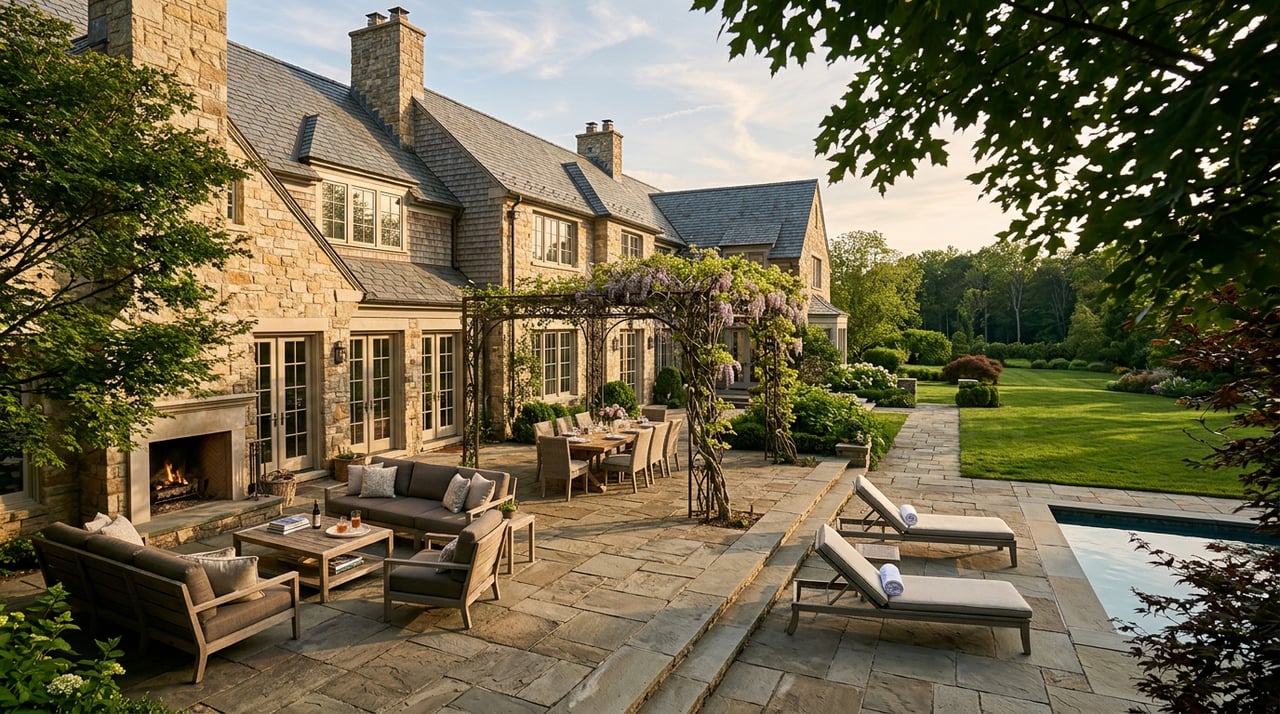
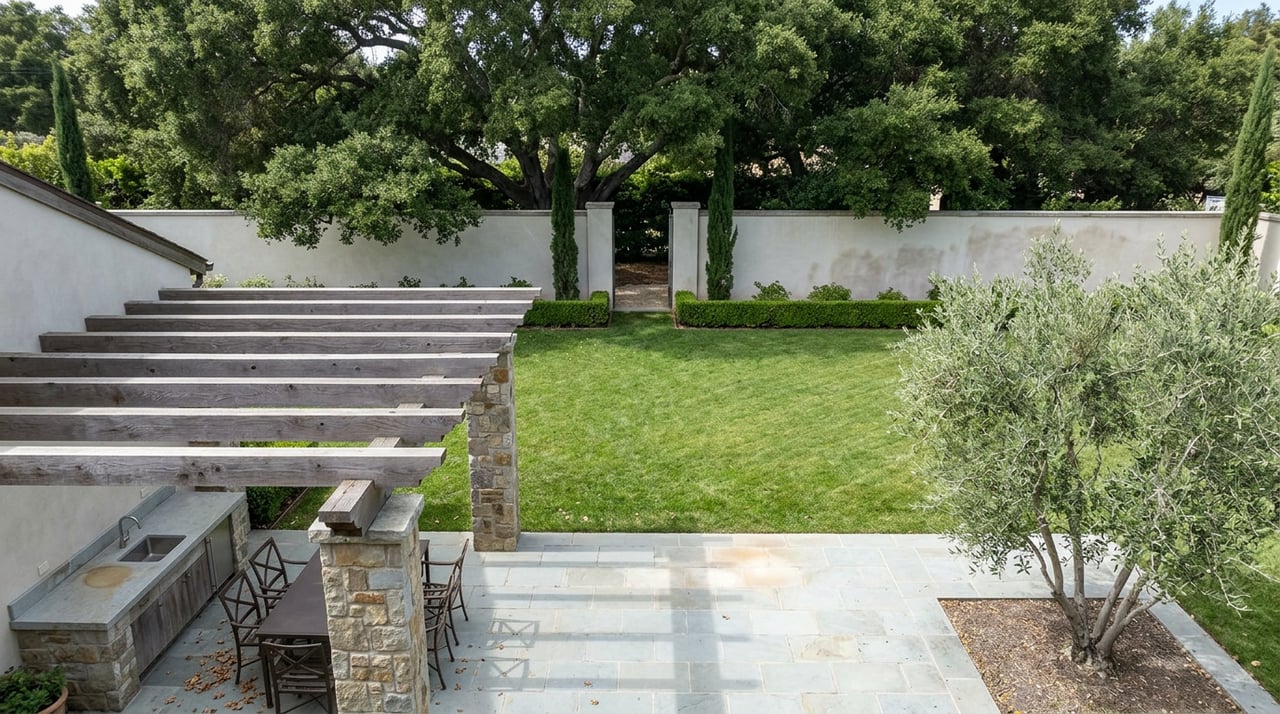
Premium East Bay buyers also respond to features that support everyday living and entertaining. They look for strong indoor-outdoor flow, high-function kitchens and primary suites, and well-maintained systems with records. Lifestyle amenities and privacy help your listing stand out, and citing zoning and nearby amenities can provide helpful context for many buyers. Research on buyer preferences reinforces these themes, including the importance of usable outdoor space and functional gathering areas. See examples of what resonates in national trend coverage on features today’s buyers want.
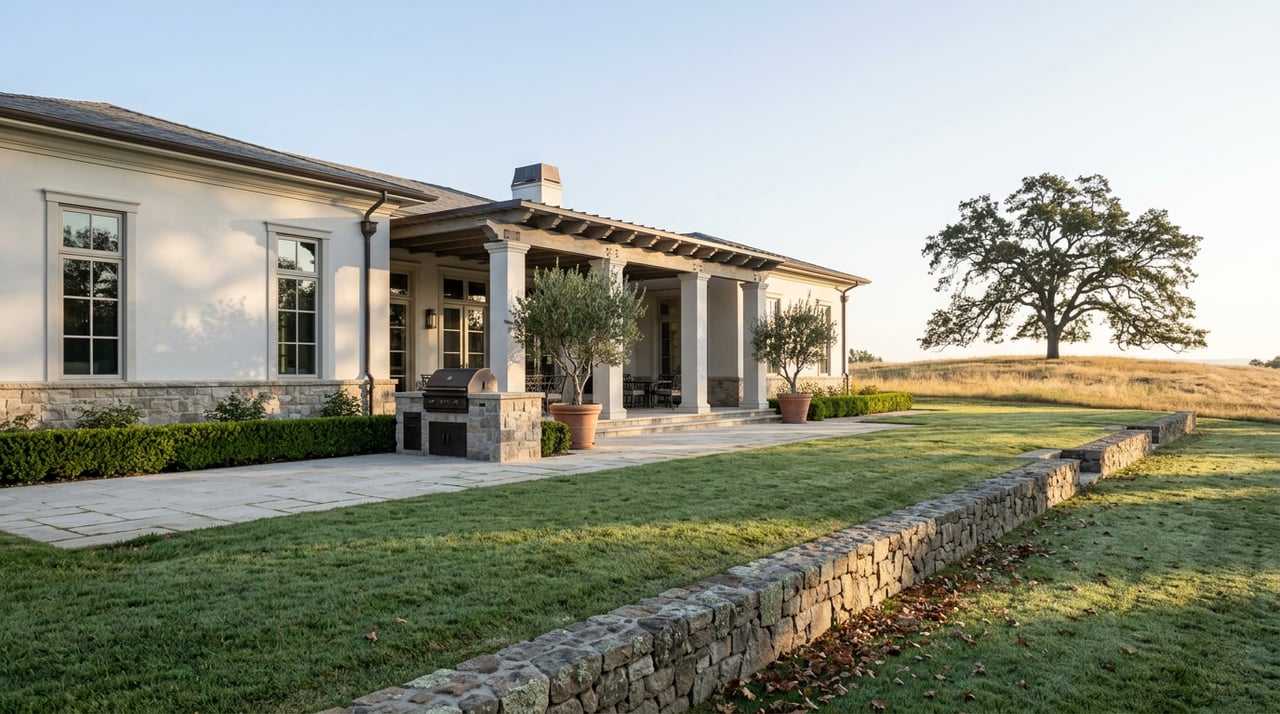
For Alamo estates in particular, incremental improvements that create a turnkey-luxury feel and proof of reliability often unlock premium offers. Local reporting shows continued demand for high-quality homes and acreage in the surrounding East Bay corridors, even as the wider region shifts. The takeaway is simple: careful prep and premium presentation move the needle. For broader context, review regional market reporting.
Start with pre-listing due diligence
Before touching paint or pricing, confirm the home’s condition and your disclosure package. This sets your strategy, avoids surprises, and strengthens your negotiating position.
Inspections that matter
Order a seller’s inspection along with key specialty scopes: roof, sewer, and termite/wood-destroying organisms. The goal is clarity. You can address issues on your timeline, price with confidence, and share favorable results in your marketing. For older estates, this step reduces the risk of late-stage renegotiations.
California disclosures and permits
As a California seller, you are responsible for the Transfer Disclosure Statement (TDS) and the Natural Hazard Disclosure (NHD). NHDs must identify statutory zones such as flood, seismic, and wildfire severity. Gather building permits and finalize your records well before launch so your disclosures are accurate and timely. Incomplete or late documents can create rescission windows or liability. A concise overview of disclosure expectations appears in California Real Estate Practice.
Insurance and wildfire context
Insurance availability and wildfire risk are top-of-mind issues in Northern California. If your home relies on California FAIR Plan coverage or is in a higher wildfire-risk area, prepare clear documentation on coverage, costs, and any defensible-space steps you have taken. Addressing this early can protect your buyer pool and sales timeline. For context on evolving insurance trends, review this regional update.
Quick due-diligence checklist
- Order a pre-listing inspection plus roof, sewer, and termite scopes.
- Pull NHD and permit history; organize service receipts for roof/HVAC/pool.
- Correct basic safety items early (smoke/CO detectors, water heater bracing).
- Decide how to handle any unpermitted work: permit, disclose, or price accordingly.
Invest where ROI is strongest
You do not need a gut remodel to sell for a premium. In the Bay Area, several modest projects consistently punch above their weight in resale value. Use the annual Cost vs. Value data as your compass and scale decisions to neighborhood comparables.
High-impact, efficient upgrades
- Replace the garage door and upgrade the front entry. These deliver some of the highest percent-of-cost recouped and elevate curb appeal fast.
- Refresh with whole-home neutral paint and a deep clean. A crisp, consistent paint palette helps rooms feel larger, brighter, and more current.
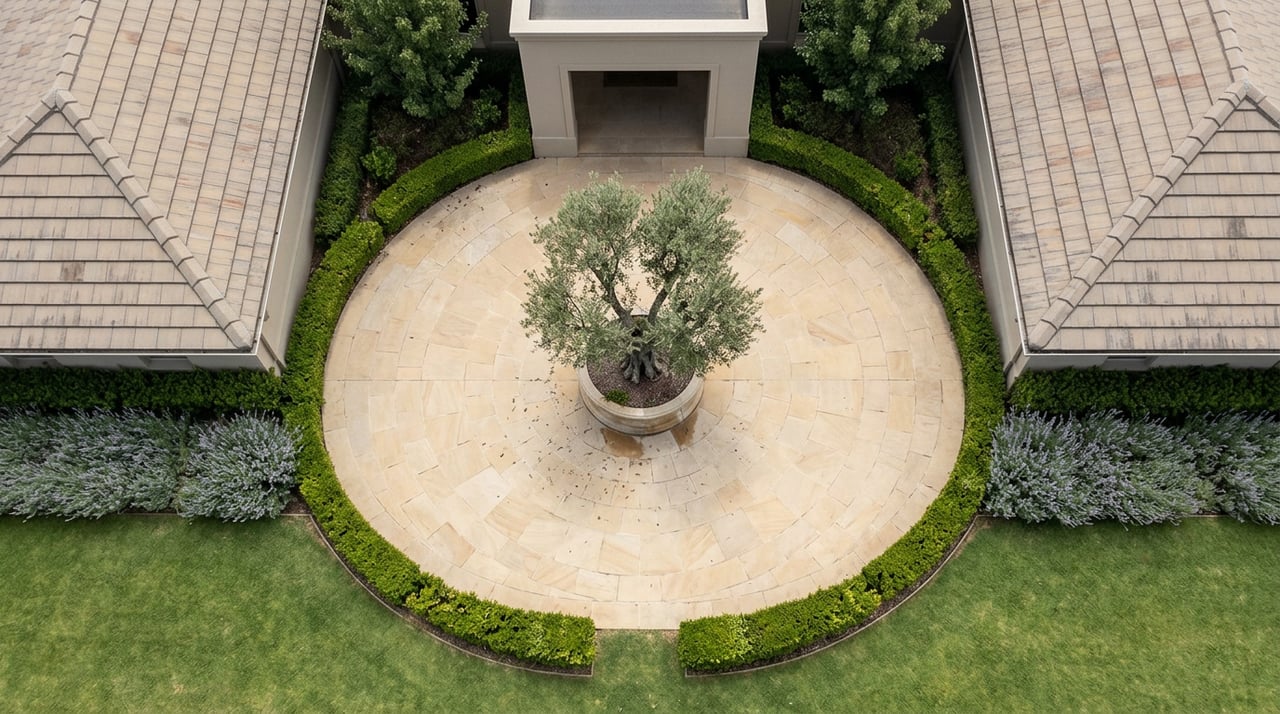
- Tidy and refresh landscaping. Define walkways, prune, mulch, and add seasonal color near the entry. Aim for a low-maintenance, manicured look.
- Opt for a minor kitchen refresh if the layout is sound. Consider new countertops, hardware, lighting, and a sleek faucet to read as current.
- Refinish or replace tired flooring. Continuity across main living spaces photographs beautifully and improves first impressions.
Guidance from industry sources aligns with these priorities, emphasizing preparation and staging to help buyers visualize value. See NAR’s staging and prep field guide for additional context.
Projects to approach carefully
- Whole-home window replacement, full roof replacement, large additions, or ADUs can be expensive with mixed short-term ROI. Confirm that the upgrade matches neighborhood norms and will influence buyer decisions before you commit. For most near-term sales, focus on targeted improvements that read as fresh and reduce buyer anxiety. Compare recoup rates in Cost vs. Value.
Documentation buyers value
Premium buyers want evidence that a home has been cared for. Provide recent service receipts, warranty information, and permits for completed work. Pair this with your inspection summary to support your price and reduce friction during due diligence.
How much to invest
As a rule of thumb, plan to invest 1 to 3 percent of your target list price into presentation items like paint, landscaping, lighting, hardware, staging, and media. Larger capital projects should be driven by comparables or a clear, modeled return. Your agent can build a line-item plan with expected value lift using Cost vs. Value as a reference.
Create a turnkey feel buyers pay for
Your media and staging package is your first showing online. For Alamo estates, professional presentation is not optional.
Staging that sets the tone
Staging helps buyers picture how rooms live and often shortens days on market. Many agents also report higher offers for staged properties and prioritize the living room, kitchen, and primary bedroom for maximum impact. See highlights from NAR’s latest home staging report. In Alamo, partial staging for occupied homes or full staging for vacant properties can be the difference between interest and enthusiasm.
Photography and cinematic media
Invest in a luxury media package: day and twilight photography, aerial drone images for acreage and setting, a 60 to 120 second cinematic video, and an interactive floor plan or 3D tour. These assets increase qualified interest and help remote buyers engage deeply before they tour. Pricing varies by scope, and high-end packages are standard for multimillion-dollar listings. For planning purposes, see typical ranges from a professional provider like Orange Visuals.
Listing collateral that elevates
Pair your media with a single-property website and a well-designed brochure. Include lifestyle highlights, a list of documented upgrades and permits, inspection report takeaways (when favorable), and a clear call to book private previews. Use QR codes on print materials to connect directly to your video or 3D tour. For a marketing checklist, review these best-in-class materials.
Premium launch and pricing plan
A thoughtful rollout builds momentum and protects your price. The right agent can coordinate improvements, manage staging and media, and execute a discreet, targeted launch to reach qualified buyers across the East Bay, San Francisco, the Peninsula, and Silicon Valley.
Choose the right partner and program
Ask for a concierge-style preparation plan that outlines which improvements to complete, the budget, and the expected return, plus hands-on project management. Many high-end brokerages offer programs that front certain prep costs and are reimbursed at closing. Evaluate terms and, more importantly, the agent’s local track record managing luxury listings to a premium result.
Three-phase marketing framework
- Phase A: Private previews. Quiet circulation to top local and regional buyer agents and high-net-worth networks can surface strong interest before going public.
- Phase B: Coming Soon. While final touch-ups are underway, run targeted digital ads, email qualified buyer lists, and schedule private previews to build anticipation.
- Phase C: Full launch. Go live on the MLS with premium media, host a broker open, and maintain a tight showing schedule to concentrate activity and urgency.
This approach is common in high-end East Bay listings and pairs well with professional collateral from your single-property website and brochure. See reference materials for listing assets here.
Pricing to create healthy competition
Build your pricing on a disciplined comparative market analysis that adjusts for condition, lot size, views, and upgrades. In thin segments at the top of the market, it is often better to price to invite competitive tension rather than setting a sky-high anchor that leads to extended days on market. Lean on your inspection reports and recent service records to justify a price premium when systems and condition are superior.
Timeline and working budget
If your goal is a premium sale within the next 6 to 18 months, work backward from launch and build in buffer time for specialty trades.
- Weeks 0 to 4: Order inspections, pull NHD and permit history, gather service records. If major issues appear, adjust your scope early.
- Weeks 2 to 10: Complete prioritized repairs and cosmetic updates. Bay Area contractor lead times can vary, especially for flooring or tile work, so plan accordingly. Use Cost vs. Value data to vet higher-cost projects.
- Weeks 1 to 3 after repairs: Stage key rooms, complete photography, video, drone, and 3D. Build your single-property website and brochure. For media planning, review typical ranges from Orange Visuals.
- Weeks 1 to 4: Run the private preview phase, then launch publicly with a tight showing schedule.
Illustrative budgets for Alamo estates vary by size and scope, but common ranges include:
- Inspections: 300 to 1,500 dollars depending on specialty scopes.
- Light improvements (paint, hardware, landscaping): 5,000 to 75,000 dollars by scale.
- Staging (partial to full): 2,000 to 10,000 dollars, with larger vacant estates higher.
- Media package (photo, video, drone, 3D): 500 to 3,000 dollars plus, depending on scope.
- Targeted refresh projects (kitchen counters, flooring refinish): 20,000 to 80,000 dollars plus, based on finish level.
Your agent should tailor a line-item plan that ties each cost to an expected value lift and a specific buyer expectation for your micro-neighborhood.
The bottom line
Alamo’s premium buyers pay for certainty, presentation, and lifestyle. When you lead with clean inspections and clear disclosures, invest in the right cosmetic and functional updates, and launch with top-tier staging and media, you attract competition and protect your price. A strategic agent with deep local roots can manage the details while you focus on your next chapter.
Ready to see what your estate could command in today’s market? Request a confidential home valuation with Jill Fusari.
FAQs
Should I get a pre-listing inspection for an Alamo estate?
- Yes. It clarifies condition, lets you address issues on your timeline, reduces late-stage renegotiations, and supports premium pricing with documentation.
Which rooms should I stage to make the biggest impact?
- Prioritize the living room, kitchen, and primary bedroom. NAR research notes these rooms drive buyer perception and can shorten days on market. See the latest staging report.
Are major additions or an ADU worth it before selling?
- Usually not for a near-term sale unless local comparables show a clear premium. Large projects often have lower short-term recoup. Check Cost vs. Value and discuss with your agent before committing.
Can my brokerage help fund pre-sale improvements?
- Many high-end brokerages offer concierge-style programs that front certain prep costs and are repaid at closing. Review terms and choose a partner with a strong local track record managing luxury listings.