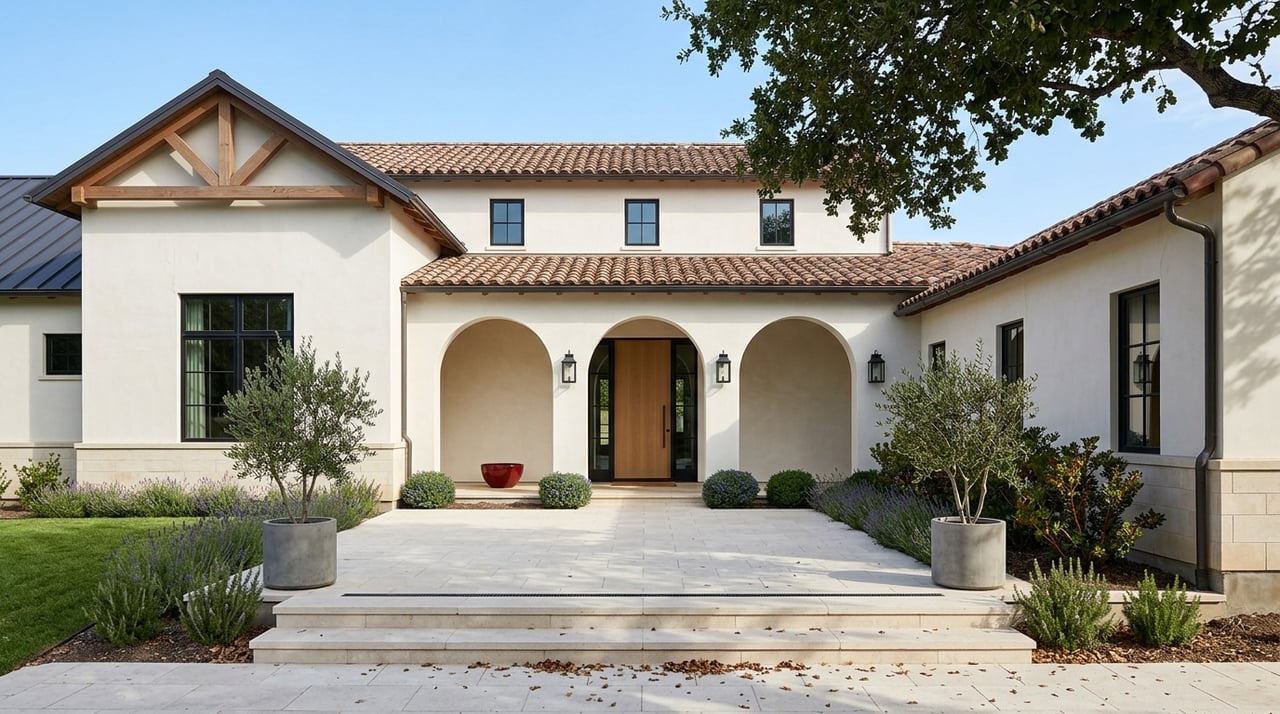
Looking at homes in Lafayette Square, you might notice something right away: the architecture does not fit into just one neat box. That is part of the appeal. If you are drawn to Los Angeles homes with presence, history, and strong indoor-outdoor living, understanding the styles behind that look can help you see what makes this neighborhood feel so distinctive. Let’s dive in.
Lafayette Square Is a Mixed Revival District
If you want the most accurate way to describe Lafayette Square, think of it as a historic period-revival neighborhood, not a one-style enclave. According to the City of Los Angeles Historic Preservation Overlay Zone overview, the district is especially associated with Craftsman, Italianate, Spanish Colonial Revival, American Colonial Revival, and some Modern homes.
That mix matters because it explains why the neighborhood feels layered instead of repetitive. You see different rooflines, materials, and facade treatments, yet the streetscape still feels cohesive thanks to its historic planning and landscape setting.
The city also describes La Fayette Square as banker George L. Crenshaw’s last and greatest residential development in Los Angeles, centered on St. Charles Place, a broad palm-lined avenue with a landscaped median. That park-like layout gives the architecture room to breathe and helps many of these homes feel especially elegant in person.
Why Architecture Feels So Strong Here
Part of Lafayette Square’s charm comes from how well its homes fit Southern California. Los Angeles has a Mediterranean climate, with dry summers, rainy winters, and relatively modest temperature swings.
At the USC station, NOAA monthly normals show 11.39 inches of annual precipitation, while June, July, and August average 0.01, 0.03, and 0.00 inches respectively. In simple terms, that climate supports design choices like courtyards, terraces, patios, breezeways, shade, and large openings to the outdoors.
When you pair that weather with Lafayette Square’s landscaped streets and mature palms, it becomes easier to understand why homes here often feel so well suited to light, air, and garden-oriented living. The architecture is not just decorative. It responds to place.
Mediterranean Revival: Bright, Sheltered, and Timeless
Among the styles that shape luxury architecture in Los Angeles, Mediterranean Revival remains one of the most recognizable. A draft La Fayette Square preservation plan notes that Mediterranean Revival became exceedingly popular in early-1900s Los Angeles, tied in part to the region’s coastal identity and its visual connection to Mediterranean resort living.
This style is easy to spot once you know the markers. Look for:
- Stucco walls
- Mission tile roofs
- Arches
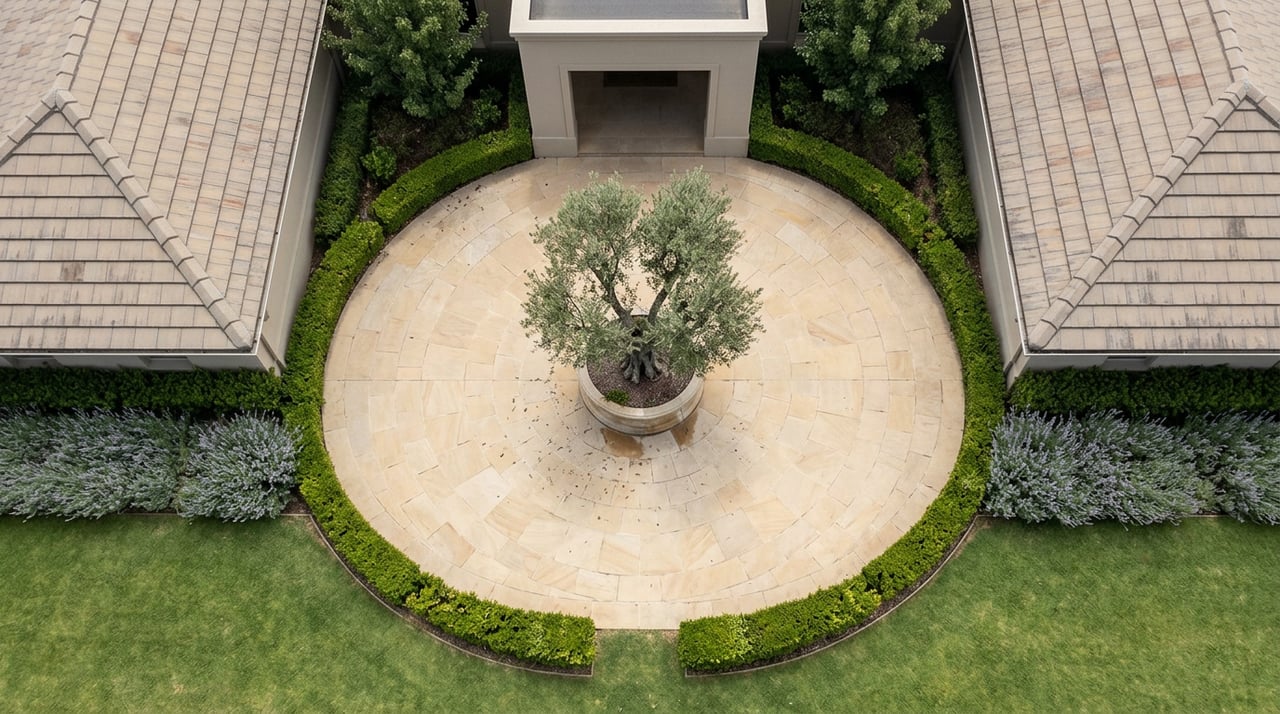
- Terraces and courtyard-oriented transitions
- Decorative detailing inspired by historic European precedents
The everyday appeal is practical as much as visual. These homes often feel bright but protected, with spaces that open naturally to gardens, courtyards, or terrace edges.
The preservation plan and National Park Service references also help explain why this look has staying power in Los Angeles. Smooth stucco, strong roof forms, and shaded openings create a house that feels substantial while still connected to the climate.
Spanish and Mediterranean Vocabulary in Context
In Lafayette Square, it is helpful to think in terms of a broader Spanish and Mediterranean architectural vocabulary. The preservation material identifies related influences, including Monterey Revival, and nearby Los Angeles planning materials for Oxford Square list Mediterranean Revival among the common historic styles in the area.
That does not mean every home is the same. It means the district shares a language of warm wall surfaces, expressive rooflines, and outdoor transition spaces that feel especially natural in this part of Los Angeles.
For buyers, that often translates into homes with a strong sense of arrival. For sellers, it helps explain why architectural presentation matters so much. Features like arches, tile, texture, and garden connections tend to carry emotional impact when they are photographed and marketed well.
Ranch Style: Casual Luxury and Flow
Ranch homes are not the core historic type that defines Lafayette Square, but they do belong in the broader Los Angeles luxury conversation. According to National Park Service guidance, Ranch style developed in California and drew influence from Spanish Colonial architecture as well as Craftsman and Prairie forms.
Its defining features are very different from older revival homes. Look for:
- Low-pitched roofs
- Wide eaves
- Large grouped windows
- Attached garages
- Open plans
- Sliding glass doors leading to patios or decks
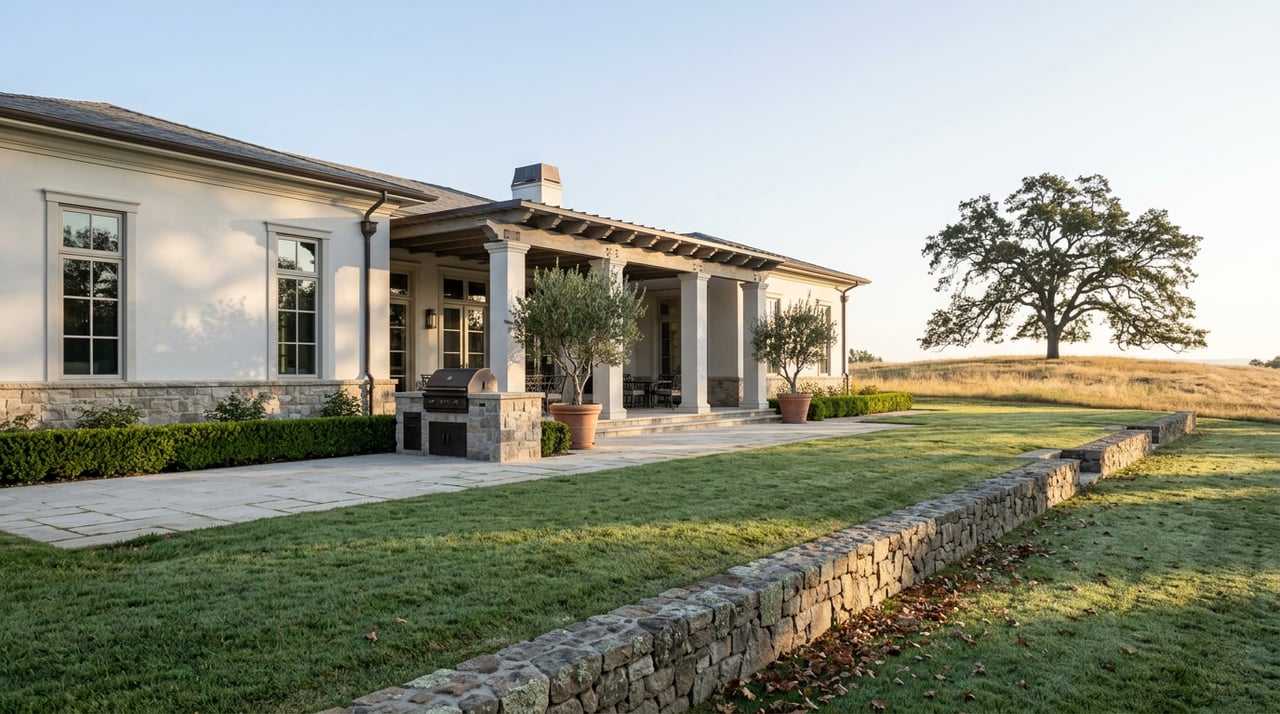
This is one of the clearest indoor-outdoor styles in California architecture. The home spreads horizontally, circulation feels easy, and rear patios often function as an extension of the main living area.
The Los Angeles Conservancy’s discussion of Ranch houses adds useful context, noting how Cliff May blended Spanish Revival ideas with Modernism to shape the classic Los Angeles Ranch house. That blend helps explain why Ranch style can still feel refined, even when the tone is more casual than formal Mediterranean architecture.
Chalet-Inspired Design: Texture and Retreat
Chalet-inspired homes are also not the dominant historic identity of Lafayette Square, but they help frame another luxury design language that appears more broadly in Los Angeles. The closest official reference point in the source material is National Park Service Rustic architecture, which often used modified chalet forms, wood shingles, steeply pitched roofs, and natural materials intended to blend with the landscape.
In Los Angeles, that look reads less like a mountain necessity and more like a design choice. The effect is textured, sheltered, and retreat-like.
The most recognizable details include:
- Steep rooflines
- Wood-heavy surfaces or accents
- A natural-material palette
- A strong sense of shelter and privacy
For a luxury buyer, chalet-inspired design often appeals on mood. It creates warmth and visual depth, especially when the architecture emphasizes privacy, garden views, or a tucked-away setting.
Which Style Is Most Common in Lafayette Square?
This is one of the most important questions buyers ask, and the answer is straightforward. Based on the official city summary, Lafayette Square is most closely associated with Craftsman, Italianate, Spanish Colonial Revival, American Colonial Revival, and some Modern homes.
So if you are trying to understand the neighborhood accurately, Ranch and chalet-inspired language should be treated as part of the broader Los Angeles luxury architecture conversation, not as the main historic identity of Lafayette Square itself. The district’s real character comes from its period-revival mix.
That distinction matters because it helps you read the neighborhood more clearly. It also keeps your expectations aligned with what the architecture actually represents.
What to Notice When Touring Homes
If you are comparing homes in or around Lafayette Square, a few visual details can tell you a lot very quickly. The research points to four of the most useful markers: roofline, wall material, window pattern, and outdoor transition space.
Here is a simple way to read them:
Rooflines
Roof shape often gives away the home’s architectural intent before anything else. Mediterranean and Spanish-influenced homes tend to emphasize expressive roof forms and tile, Ranch homes read low and horizontal, and chalet-inspired homes stand out with steeper pitches.
Wall Materials
Stucco usually points you toward Mediterranean and related revival traditions. Wood-heavy texture often signals a rustic or chalet-inspired direction.
Window Patterns
Grouped windows and larger expanses of glass tend to align more closely with Ranch design. More formal or ornamented openings may support a revival style reading.
Outdoor Connections
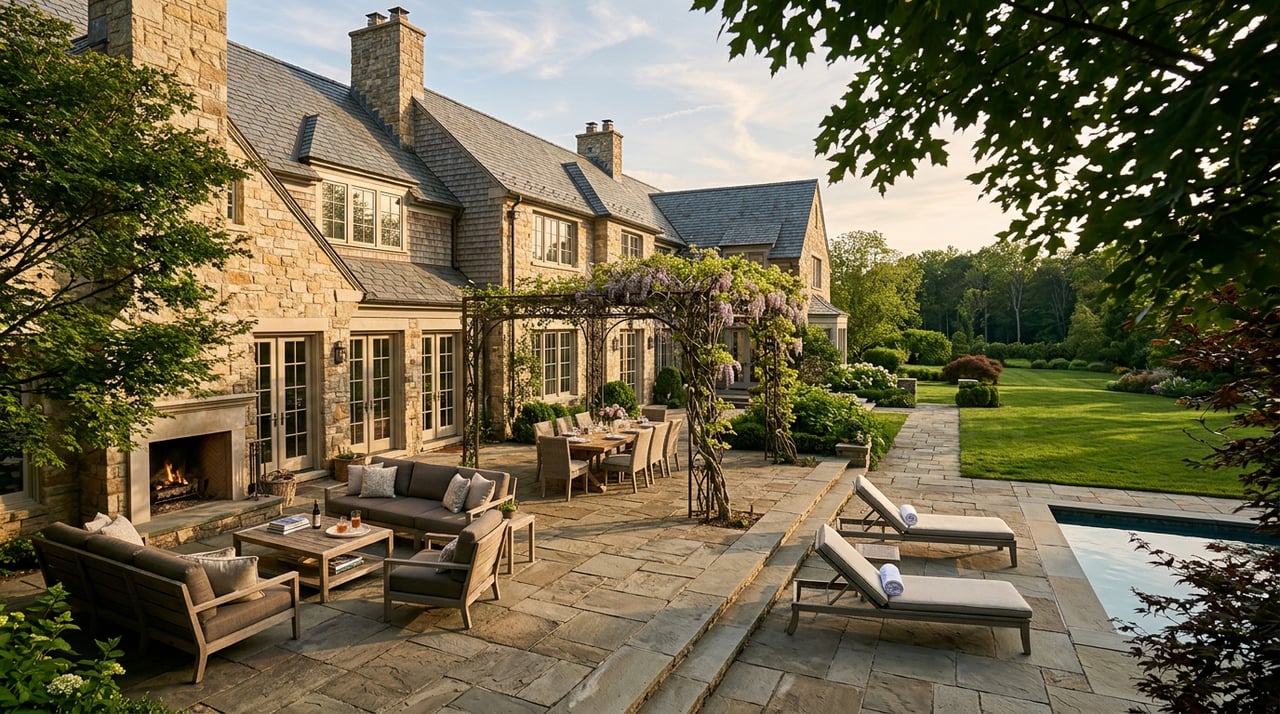
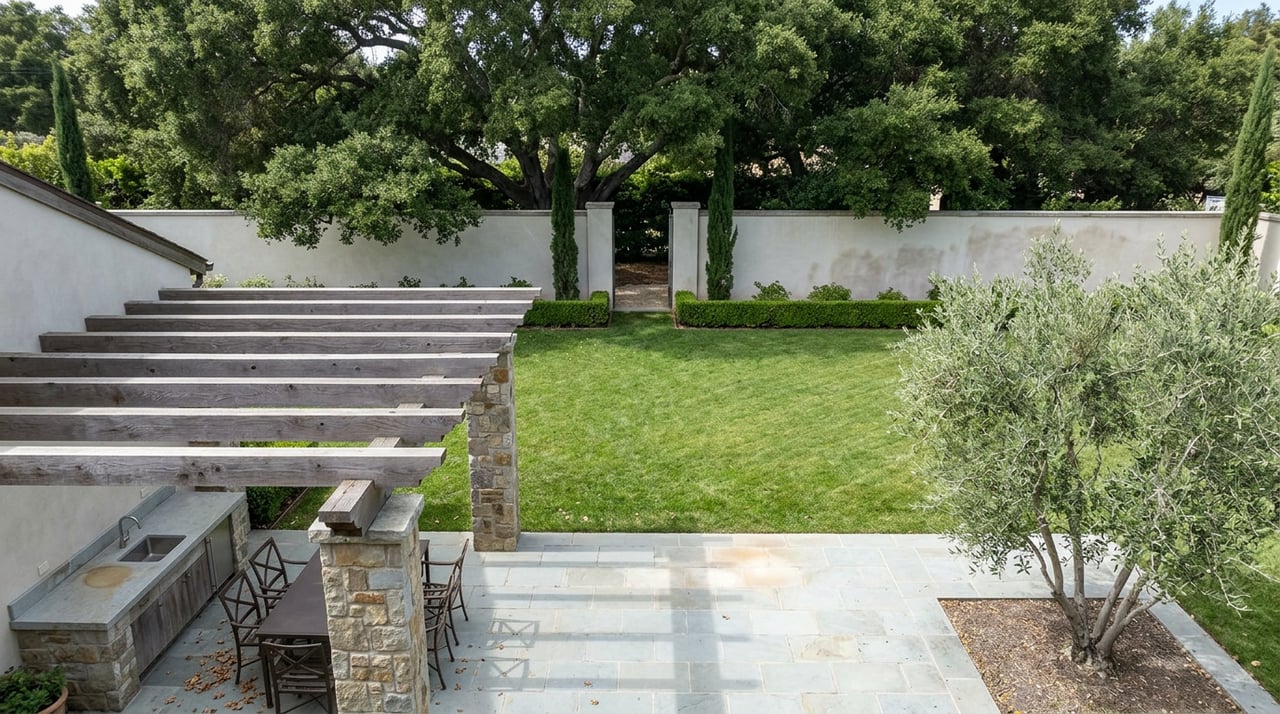
Terraces, courtyards, and arched transitions often reinforce Mediterranean character. Patios and sliding doors usually suggest Ranch-style flow.
Why These Styles Still Feel Luxurious
Luxury is not only about square footage or finish level. In a neighborhood like Lafayette Square, luxury often comes from proportion, character, and the relationship between the house and its setting.
That is why historic and climate-responsive architecture continues to resonate. A home that uses shade well, frames the garden, creates privacy, and connects interior rooms to outdoor living can feel timeless in a way that goes beyond trends.
In Lafayette Square, that feeling is strengthened by the neighborhood’s original planning. The broad, landscaped streets and residential park character support homes that were designed to make an impression while still feeling livable.
If you are evaluating a home here, it helps to look past labels and focus on the daily experience the design creates. Does the house bring in light thoughtfully? Does it create shelter and privacy? Does it connect gracefully to the outdoors? Those are often the details that define lasting appeal.
Whether you are buying a distinctive home or preparing one for sale, architectural clarity matters. The right positioning, presentation, and storytelling can help buyers understand not just what a property looks like, but why it feels special. If you are planning your next move and want thoughtful, design-aware guidance, connect with Jill Fusari.
FAQs
What architectural styles are most common in Lafayette Square Los Angeles?
- According to the City of Los Angeles, Lafayette Square is most closely associated with Craftsman, Italianate, Spanish Colonial Revival, American Colonial Revival, and some Modern homes.
Is Mediterranean Revival the main style in Lafayette Square?
- Mediterranean and related Spanish-influenced architecture are important to the area’s visual language, but Lafayette Square is more accurately described as a mixed period-revival district rather than a single-style neighborhood.
Are Ranch homes a defining historic style in Lafayette Square?
- No. Ranch homes are better understood as part of the broader Los Angeles architectural conversation, not the core historic identity of Lafayette Square.
Why do Lafayette Square homes feel well suited to Southern California?
- Los Angeles has a Mediterranean climate with dry summers and mild seasonal swings, which supports features like patios, terraces, courtyards, shade, and generous openings to the outdoors.
What details should you look for when identifying a home’s style in Lafayette Square?
- The most useful clues are roofline, wall material, window pattern, and the type of outdoor transition space, such as courtyards, terraces, or patios.