Thinking about leaving Silicon Valley for more space and a different daily rhythm? If you are considering a move to Alamo, you are probably weighing a familiar tradeoff: a longer, more planned commute in exchange for a more residential setting, larger homes, and a quieter pace. This guide will help you understand how Alamo compares, what daily life looks like, and which practical details matter most before you make the move. Let’s dive in.
Why Alamo Appeals to Silicon Valley Buyers
If you are moving from Silicon Valley, Alamo will likely feel very different right away. It is a small unincorporated community in Contra Costa County with about 14,488 residents, and the housing pattern is far less dense than many South Bay areas, according to Census Reporter’s Alamo profile and Contra Costa County planning documents.
The numbers help explain the appeal. Alamo has a 92.4% owner-occupied housing rate, a median age of 49.8, and a median owner-occupied home value reported at $2,000,001 in the Census Reporter profile. For many buyers, that points to a stable, established residential market where homeownership, privacy, and space shape the lifestyle.
What Housing Feels Like in Alamo
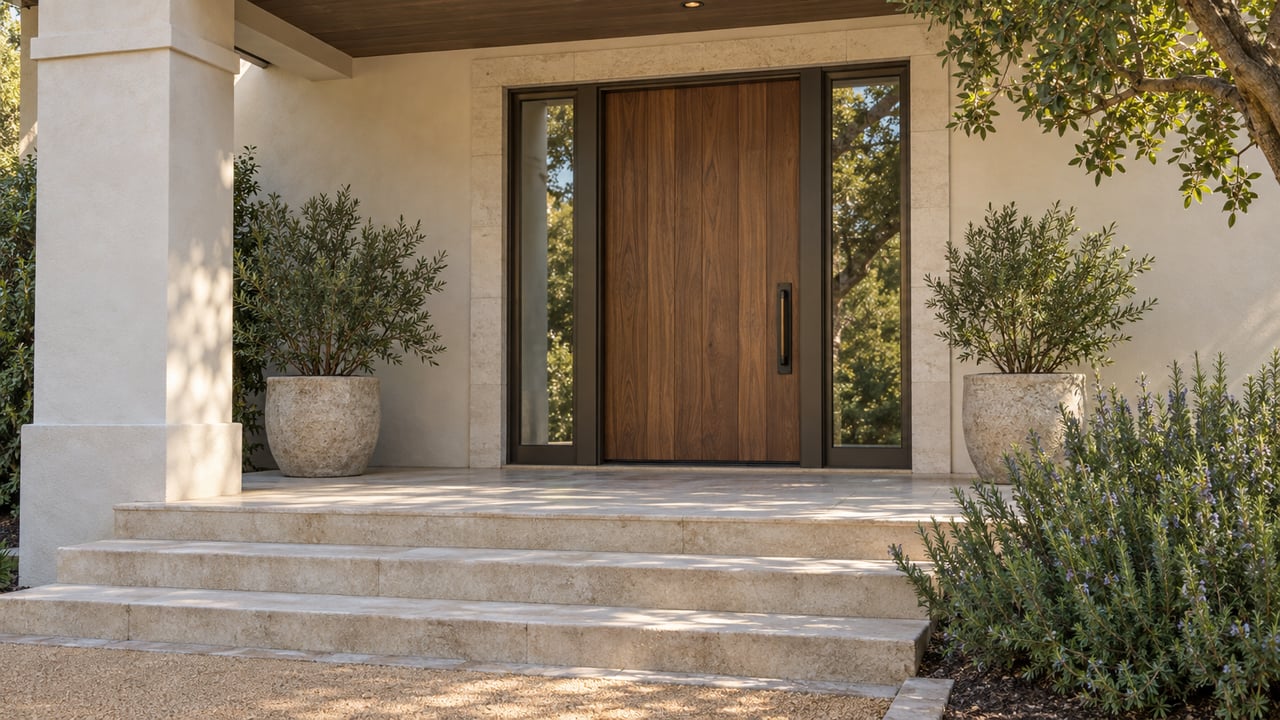
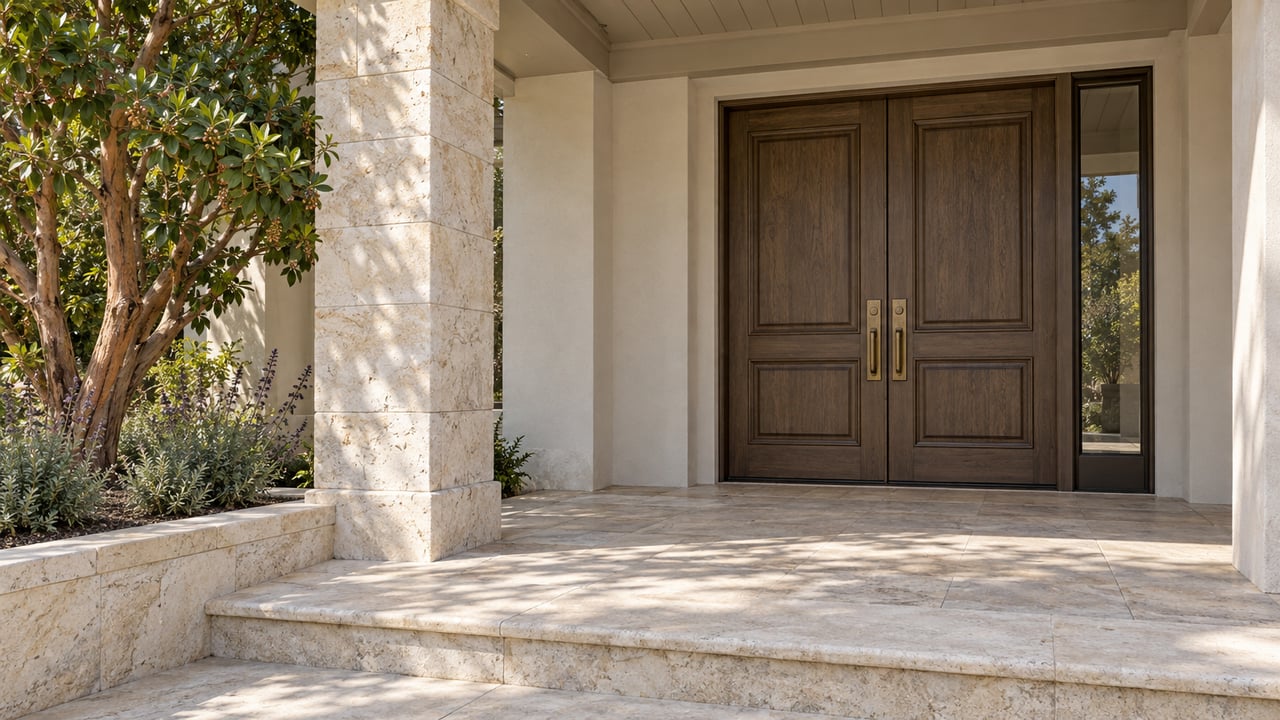
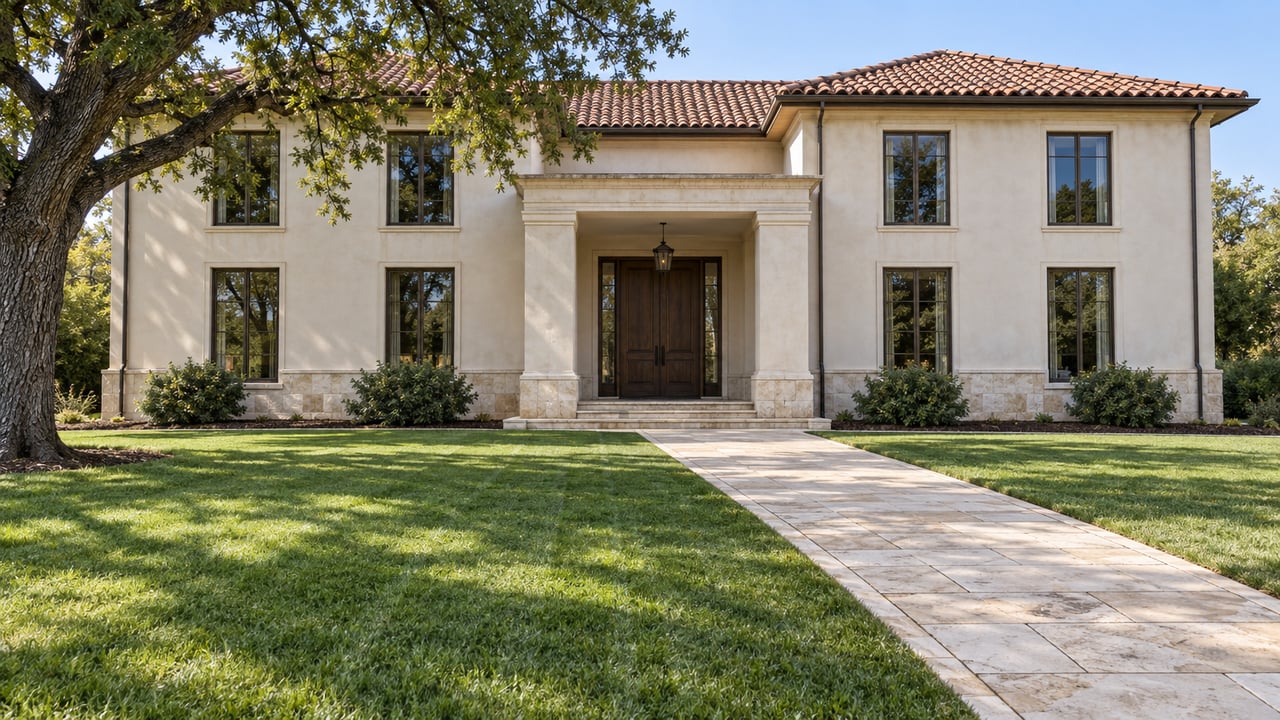
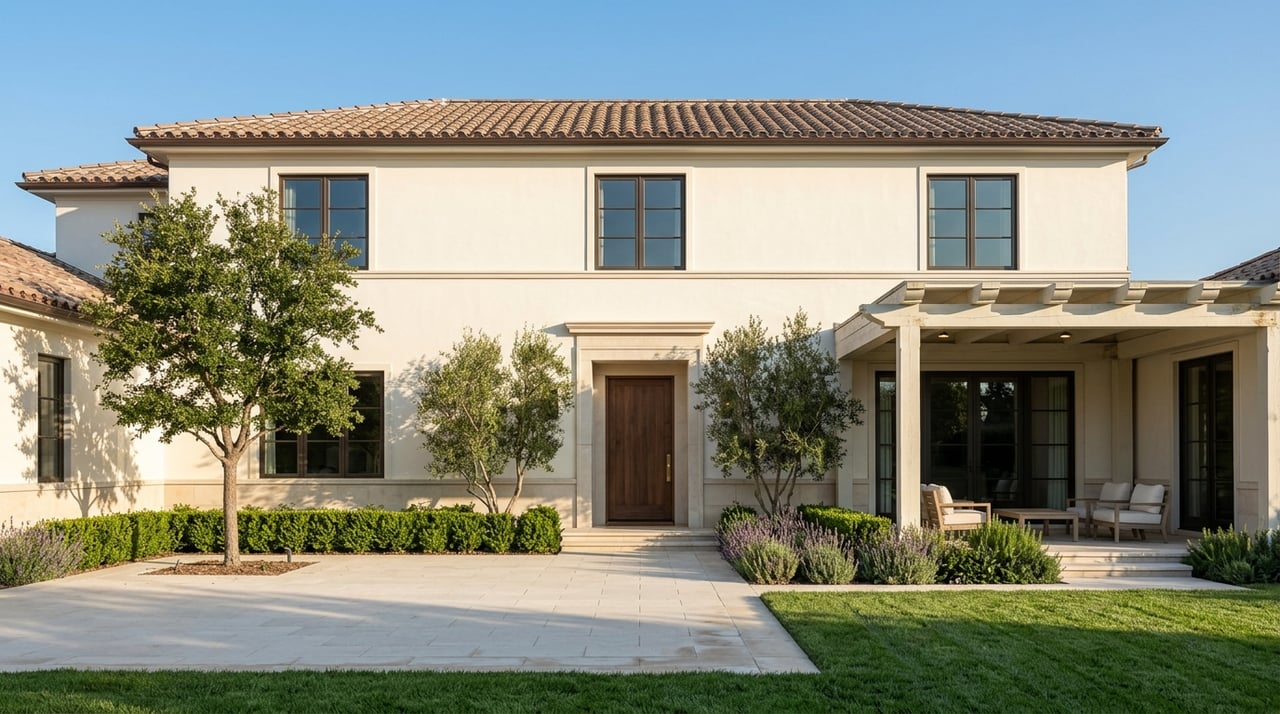
One of the biggest shifts from Silicon Valley is the housing stock itself. Contra Costa County describes Alamo and nearby Castle Hill as wooded residential communities made up mostly of single-family ranch-style homes on relatively large lots, with some multifamily housing along Danville Boulevard south of Stone Valley Road and estate properties on larger rural tracts in the area, according to the 2045 General Plan.
That means your search may look very different than it would in many parts of the South Bay. Instead of focusing on condo buildings, tighter subdivisions, or townhome inventory, you may find yourself comparing lot size, yard use, outdoor living potential, and how a property is positioned within a more residential streetscape.
Price is still an important reality check. The U.S. Census QuickFacts page for Alamo reports a median value of owner-occupied housing units of $2,000,000+, median monthly owner costs of $4,000+ with a mortgage and $1,500+ without one, and median gross rent of $3,500+. In other words, Alamo is not a low-cost alternative. The trade is typically about lifestyle and space, not finding a bargain.
How Your Commute May Change
For many Silicon Valley households, commute planning is the most important part of the move. Alamo does not have its own BART station, so transit access usually means using nearby stations such as Walnut Creek, Lafayette, Pleasant Hill / Contra Costa Centre, Dublin / Pleasanton, or Orinda, as shown on the BART station map.
That creates a different routine than living close to a direct South Bay rail option. Depending on where you work, your weekday plan may involve freeway driving, driving to BART, or combining local bus service with BART rather than relying on a station within the community itself.
Local bus service supports that setup. County Connection Route 21 serves both Walnut Creek BART and Alamo Plaza on weekdays, with peak service every 30 minutes and off-peak service every 60 minutes, while Route 321 serves the corridor on weekends every 60 minutes. Route 21 also connects to Danville Park 'n Ride and San Ramon Transit Center, which can be useful if your travel patterns vary during the week.
The Census Reporter profile also lists Alamo’s mean travel time to work at 29.2 minutes. Your own commute may be longer or shorter depending on your destination, but the bigger point is that getting around from Alamo usually requires more planning than it would in denser job-centered areas.
What Daily Life Looks Like
If you are moving for a lifestyle reset, this is where Alamo often stands out. The community profile and county planning descriptions suggest a place shaped more by residential streets, larger homesites, and established neighborhoods than by mixed-use density or an urban street grid, based on Census Reporter data and the county’s General Plan.
Outdoor access is also part of the day-to-day experience. Contra Costa County lists several local park and recreation sites in and around Alamo, including Andrew H. Young Park, Hap Magee Ranch Park, Hemme Station Park, Livorna Park, and Alamo Elementary School Field. Hemme Station Park offers access to the Iron Horse Trail, while Hap Magee Ranch Park is near regional trails, and Livorna Park hosts community events such as summer concerts and movie nights.
For many relocating buyers, that can mean a more routine-focused lifestyle centered on home, outdoor space, parks, and nearby community amenities. If your current Silicon Valley routine is shaped by density, long traffic-heavy errands, or smaller living spaces, Alamo may feel like a meaningful change.
What to Know About Schools
If schools are part of your relocation checklist, Alamo is served by San Ramon Valley Unified School District. The district states that its schools have received National Blue Ribbon or State Distinguished School recognition more than 80 times since 2010.
Schools serving Alamo include Alamo Elementary in Alamo, Stone Valley Middle School in Alamo east of Interstate 680, and Monte Vista High School in Danville, according to the district. If this is a major factor in your move, it is smart to confirm current attendance details directly with the district as you narrow down homes.
Key Tradeoffs to Consider
A move from Silicon Valley to Alamo is usually less about one place being better than the other and more about fit. The choice often comes down to what matters most in your next chapter.
Here are some of the main tradeoffs buyers tend to weigh:
- More space at home with a more residential setting
- Less density and a quieter daily feel
- Higher dependence on driving or drive-to-transit routines
- Strong owner-occupancy in an established community
- Access to parks and trails that support an outdoor lifestyle
- A high price point despite the shift away from Silicon Valley
If your priority is maximizing walkable urban convenience, Alamo may not be the right fit. If your priority is a larger single-family home, more outdoor space, and a mature residential environment, it can be a very compelling option.
Questions to Ask Before You Move
Before you make the leap, it helps to pressure-test your decision with a few practical questions:
How often will you commute?
If you only need to be in the office a few days a week, Alamo may feel much easier to manage. If you need a daily South Bay commute, your transportation plan deserves careful attention.
What kind of home do you want next?
If you are hoping for a detached home, more land, or more privacy, Alamo’s housing profile may align well with your goals. If you still want a lock-and-leave setup or very low maintenance living, inventory may feel more limited.
How important are parks and outdoor access?
Alamo’s local parks and trail connections are a meaningful part of everyday life for many residents. If being outside is part of your routine, this can be a major advantage.
Are you prepared for the price point?
Alamo offers a different housing experience, but it remains one of the Bay Area’s higher-priced residential markets. It is important to evaluate not just purchase price, but also monthly ownership costs and the type of value you want from the move.
Making a Smart Move to Alamo
Relocating from Silicon Valley to Alamo usually means making a conscious lifestyle trade. You are often giving up some commute convenience in exchange for more space, a more residential setting, and a day-to-day rhythm shaped by home, parks, and neighborhood life.
If that sounds like the kind of move you are considering, working with a local advisor who understands the nuances of Alamo can make the process much more efficient. Jill Fusari offers curated buyer guidance backed by deep local knowledge, helping you evaluate homes, commute considerations, and neighborhood fit with clarity and discretion.
FAQs
What is Alamo, California, like compared with Silicon Valley?
- Alamo is a small unincorporated community in Contra Costa County with a more residential, lower-density feel, high homeownership, and housing that is mostly single-family on larger lots.
What kind of homes can you expect in Alamo?
- County planning documents describe Alamo as being made up mostly of single-family ranch-style homes on relatively large lots, along with some multifamily housing and larger estate properties.
How do commuters get from Alamo to other Bay Area job centers?
- Most commute plans involve driving, using nearby BART stations such as Walnut Creek or Lafayette, or combining local bus routes like County Connection Route 21 with BART.
What school district serves Alamo, California?
- Alamo is served by San Ramon Valley Unified School District, including Alamo Elementary, Stone Valley Middle School, and Monte Vista High School.
Is Alamo more affordable than Silicon Valley?
- Alamo is still a high-cost market, with Census data showing owner-occupied home values at $2,000,000+ and high monthly ownership costs, so the move is usually more about space and lifestyle than lower prices.