On April 15, 1928, Charles A. Lindbergh switched on a light on the summit of Mount Diablo by remote control. He was in Denver at the time. The light was a 10-million-candlepower aviation beacon on Standard Oil's new "Standard Diablo" tower. It was put there to guide the commercial flights that were then starting to cross the country. A Standard Oil bulletin from March 1928 explained how the company got onto the mountain. W.P. Frick owned the summit, a public observation platform on top, and "the highway leading to it, the Mt. Diablo Scenic Boulevard, a toll-road," and he gave permission for the light.
That toll road started at Diablo. On Monday, December 7, the beacon comes back on for Pearl Harbor Remembrance Day, the 85th anniversary of the attack. It lights up a summit that people from Diablo could drive to more than a decade before the beacon existed.
The Road Burgess Built From Diablo
In 1912, Robert Noble Burgess bought the Oakwood Park Stock Farm and set out to turn it into a summer resort. The Museum of the San Ramon Valley calls it one of the first country clubs in California. At its largest, the holding covered 50,000 acres, from the corner of Diablo and Green Valley roads in Danville to the top of Mount Diablo. The ranch mansion became the club's Inn, and the old billiard hall up the hill became the Clubhouse.
Burgess's Mount Diablo Development Company built toll roads for cars all the way to the summit. Mount Diablo Scenic Boulevard was finished in 1915. Around the same time he brought electric power from Danville. In 1916 he got the Oakland, Antioch & Eastern electric railway extended to the club and opened a post office. By 1917 the Red Horse Tavern and the Chalet were up for tourists. According to the museum's history of Diablo, special electric trains brought in guests, and tourists drove up the mountain and stopped at the Tavern to eat.
The summit was supposed to get a grand building of its own. In 1916 the company planned a tower-hotel called "Torre de Sol," with investment and national publicity promised by William Randolph Hearst. Then World War I came, Hearst lost interest, and Burgess's company went bankrupt. The Mount Diablo Interpretive Association's timeline sums up what was left: "of the planned development only the community of Diablo was ever built." Burgess dissolved the company in 1919 and sold his Diablo house.
Burgess never built the hotel, but his road stayed. When Mount Diablo State Park was created in 1921, its original 630 acres came from his company. Later acquisitions ran along "the historic Scenic Boulevard (South Gate Road)." By 1928, when Standard Oil wanted a mountaintop with clear sight lines for pilots, there was already a toll road to the top and an owner who could say yes.
From a Steel Tower to the Summit Building
The beacon went up before the stone building it sits on today. The Civilian Conservation Corps started the Summit Building in 1938, using sandstone quarried at Fossil Ridge. The building was designed to hold a viewing deck, the aircraft beacon, a fire lookout and museum exhibits. In 1939 Standard Oil agreed to sponsor it, supplying steel and concrete. In 1942 the company moved its beacon, which people were already calling the "Eye of Diablo," from the old tower onto the new building. Today it sits above the rotunda on the building's observation roof.
The beacon lit the summit every night until December 8, 1941, the day after the attack on Pearl Harbor. It was turned off during the West Coast blackout because officials feared it could help an attack on California. It stayed dark for more than two decades. Pilots had relied on landmarks and visual cues like the beacon until radar spread during World War II.
Why It Comes On Every December 7
On December 7, 1964, Fleet Admiral Chester Nimitz, who had commanded Pacific Forces during World War II, came to a ceremony on the summit honoring Pearl Harbor survivors. He suggested lighting the beacon every December 7. The Pearl Harbor Survivors Association kept the tradition going. Today the Sons and Daughters of Pearl Harbor Survivors run it with Save Mount Diablo as co-sponsor. California State Parks also helps organize the ceremony. Chuck Kohler, a Pearl Harbor survivor who has spoken at the event over the years, described it in a statement reported by Danville San Ramon: "The beacon lighting is a tribute to those individuals that lost their lives at Pearl Harbor."
Standard Oil of California put up four guiding beacons along the West Coast. The one on Mount Diablo is the only one known to still work. Before 2013 it was in such poor shape that nobody could be sure it would come on. That year, then-Assemblymember Buchanan wrote and helped pass legislation that let Save Mount Diablo run the restoration and the fundraising for it on behalf of California State Parks. Shell's Martinez refinery and Maxim Crane donated a crane and rigging crew to take the beacon off the summit building and put it back. Redwood Painting and Global Village worked on the repairs. Chevron made a public service announcement, and the Dean and Margaret Lesher Foundation matched donations up to $50,000 toward the $100,000 goal.
Since the restoration, the beacon has been lit on more than one night a year. Starting in the pandemic, Save Mount Diablo lit it once a week for a year, ending on Sunday, April 11, 2021. Since 2022 it has also been lit on Memorial Day and Veterans Day. The Veterans Day lighting is the most recent one. On November 11, 2026, KRON4 reported that Danville would hold a lighting ceremony at 4:40 p.m. and turn on the beacon around sunset. That was the end of a day that started with a pancake breakfast at the Veterans Memorial Building of San Ramon Valley. The December 7 lighting is the original one, and the only one that dates back to Nimitz.
December 7, 2026: Times and Place
The ceremony isn't on the mountain. Save Mount Diablo's event page invites the public to the California State University East Bay Concord Campus at 4700 Ygnacio Valley Road in Concord, and parking is free. December 7 falls on a Monday this year. Here's the posted schedule:
- 3 p.m.: USS Arizona reception and exhibit
- 3:45 p.m.: Ceremony begins in the Oak Room
- 5 p.m.: Beacon lighting
Once it's on, the beacon stays lit all night. When Standard Oil's 1928 bulletin described the site, it said the mountain's isolation from other high ground gave it "a visibility that makes it an ideal location for a fliers' beacon." MDIA's timeline says the light could be seen from 100 miles away.
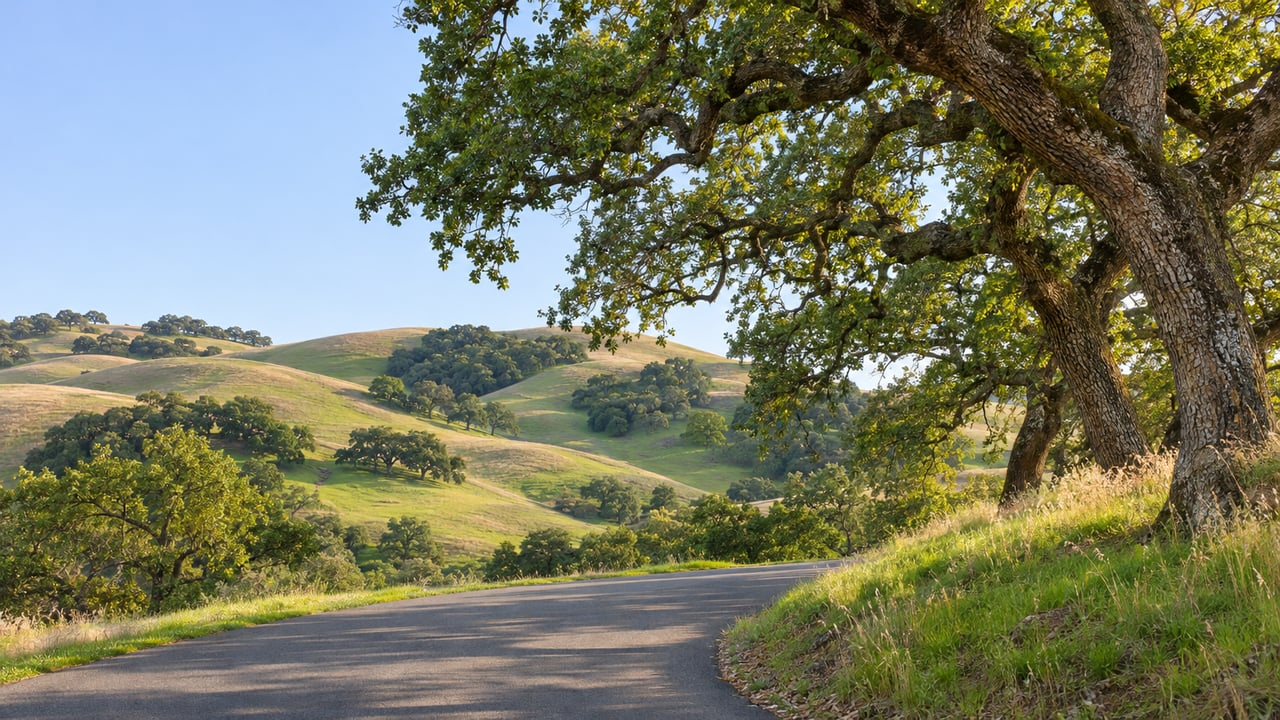
From Diablo, the drive toward the summit is still Burgess's route. California State Parks names Diablo Road to Mount Diablo Scenic Boulevard as the main way to South Gate Road, the park's southwest entrance. For a daytime look at the building the beacon sits on, MDIA lists the Summit Museum's visitor center as open daily from 10 a.m. to 4 p.m. and asks visitors to call the park to confirm hours before they go.
For more of Diablo's history, see our post on how Diablo's civic life runs on a volunteer newsletter, and our post on the first change to Mount Diablo State Park's boundary in nearly two decades. Our Diablo neighborhood guide covers the community as it is today.
Diablo began as Burgess's resort at the foot of the summit road, and that history comes with many homes here. At Jill Fusari, we start every Diablo listing with professional staging, photography and video. If you're thinking about what your Diablo home is worth this winter, request a confidential home valuation.